
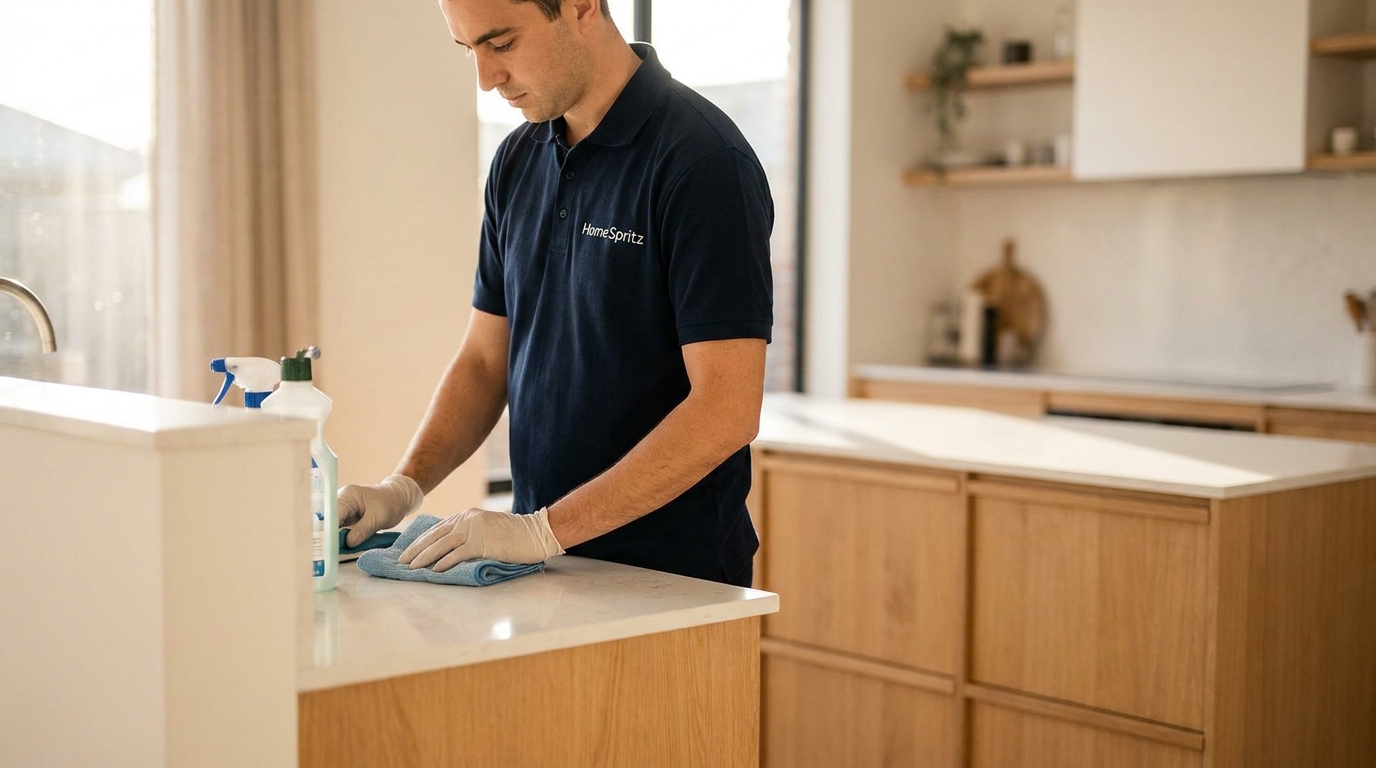
Ottawa’s dramatic shifting seasons—from humid, pollen-heavy summers to dry, furnace-driven winters—create the perfect storm for indoor dust accumulation, leaving your family breathing in airborne allergens and constantly battling a dull, grey film on every surface. No matter how meticulously you swipe a traditional feather duster across your bookshelves and mantles, the dust seems to resettle right back within hours, exacerbating seasonal allergies, diminishing your home’s natural aesthetic, and making your living spaces feel perpetually unkempt. Fortunately, by adopting professional seasonal air refresh and dusting Ottawa strategies, such as utilizing scientifically proven microfiber techniques and establishing strategic monthly cleaning routines, you can permanently trap microscopic particulates, eliminate harmful residues, and restore crisp, deeply breathable air to your family’s sanctuary.
- Upgrade Your Arsenal: Ditch ineffective feather dusters for high-quality, static, and damp microfiber cloths that physically trap allergens rather than simply launching them back into your home’s indoor air circulation.
- Implement a Monthly Routine: Establish a top-to-bottom, systematic monthly dusting rotation to maintain pristine air quality and tackle easily forgotten areas like baseboards and ceiling fans across all Ottawa seasons.
- Use Safe, Minimalist Solutions: Protect your home’s finishes by sticking to our golden rules: use just 1 drop of Dawn dish soap with warm water for floors and counters, and plain warm water for cupboards and walls, entirely avoiding damaging chemicals.
How Does Dust Accumulate in Your Home? (The Science of Effective Dust Removal in Ottawa)
To truly understand how to revitalize your indoor environment, you first need to understand what you are actually fighting against. Dust is not just dirt; it is a complex, microscopic matrix of biological and synthetic matter. In the average Canadian home, this grey particulate is composed of dead skin cells, pet dander, fabric fibers, microscopic dust mites, and outdoor pollutants that blow in through open windows. Ottawa’s unique climate plays a significant role in this continuous accumulation. During our freezing winters, families tightly seal their windows and rely heavily on forced-air heating systems. These furnaces act as giant circulatory systems, endlessly pulling in settled dust from your floors and blowing it right back into the air you breathe.
A true seasonal air refresh is about much more than simply lighting a scented candle to mask stale odors; it requires the physical, mechanical extraction of these particulates from your living spaces. When you use outdated tools like dry cotton rags or feather dusters, you are merely agitating the dust, breaking it apart, and suspending it in the air. Gravity eventually takes over, and the dust gently falls back onto your furniture, creating an endless cycle of frustration. Establishing a proper baseline of environmental cleanliness is crucial for your family’s respiratory health. Integrating comprehensive, science-backed dust management into your house cleaning Ottawa routine ensures your capital home remains pristine, comfortable, and truly spotless year-round, regardless of what the weather outside is doing.
What Are the Best Tools for Trapping Dust? (Mastering Static and Damp Microfiber Cloth Techniques)
The secret to achieving professional-grade cleanliness lies in the structural physics of your cleaning tools. Microfiber cloths are woven from ultra-fine synthetic fibers that are split during the manufacturing process. When used dry, these split fibers generate a positive static charge as they glide across your furniture. Because dust naturally carries a negative charge, the microfiber acts like an electromagnet, physically pulling and locking the dust particles deep within the fabric’s microscopic crevices. For light, daily touch-ups on electronics, bookshelves, and delicate decorative items, a dry, statically charged microfiber cloth is an indispensable tool in your cleaning caddy.
However, when performing a deep seasonal air refresh and dusting Ottawa homes thoroughly, the “damp microfiber” technique is the ultimate game-changer. Dampening the cloth slightly increases its mass and binding capability, allowing it to easily cut through the sticky, oily dust that often accumulates in kitchens or on high-touch surfaces. When you are wiping down cupboards, painted walls, or baseboards to remove fine particulate matter, you do not need complicated chemical sprays. Simply use plain warm water on a damp microfiber cloth. The water acts as a mild solvent, while the microfiber provides the gentle friction needed to lift away the grime safely.
For horizontal surfaces where dust mixes with daily spills and oils, such as hard surface floors and stone countertops, the gold standard solution is incredibly simple: mix just 1 drop of Dawn dish soap with warm water. This highly diluted mixture breaks the surface tension of oily residues, allowing the microfiber to effortlessly trap the dirt without leaving behind a cloudy, sticky film that attracts more dust. Adopting these minimalist, eco-friendly cleaning solutions for Ottawa homes not only safeguards your family’s health but also protects the integrity of your expensive home finishes.
It is absolutely critical to understand what not to use during your dusting routine. Do not fall for internet trends that suggest using vinegar for all-purpose cleaning. Vinegar is highly acidic and should be reserved strictly for removing hard water mineral scale on fixtures; it will permanently etch and dull your natural stone countertops and hardwood floors. Furthermore, bleach is highly toxic, completely ineffective at removing dust, and must be strictly reserved for disinfecting toilet bowls only. Keep these harsh chemicals far away from your general living surfaces.
How Do You Clean Hard-to-Reach Areas? (Dusting Ceiling Fans and High Fixtures Without the Mess)
One of the foundational rules of professional cleaning is the “top-to-bottom” approach. If you dust your coffee table before dusting the ceiling fan directly above it, you are guaranteed to ruin your hard work as falling debris settles on the clean surface below. Ceiling fans, high shelving units, and overhead light fixtures are notorious dust traps that often get ignored during quick weekly cleans, quietly deteriorating your home’s indoor air quality.
To tackle ceiling fans without creating a miniature snowstorm of dust in your living room, employ the “pillowcase method.” Take a clean, slightly damp pillowcase (lightly misted with plain warm water) and carefully slide it entirely over one of the fan blades. Press the fabric against the top and bottom of the blade, and slowly pull the pillowcase back toward you. All the accumulated dust will be scraped off and trapped safely inside the pillowcase, rather than falling onto your floor or furniture. For intricate high fixtures like chandeliers, pendant lights, and the tops of door frames, wrap a damp microfiber cloth around a long-handled dusting wand. Gently wipe the surfaces to ensure that all allergens are captured and permanently removed from your indoor ecosystem.
How Often Should You Dust Your House? (Establishing Monthly Dusting Rotations for Year-Round Freshness)
Attempting to dust every single surface in your home in a single day is a recipe for physical exhaustion and burnout. To maintain a truly fresh indoor atmosphere without spending your entire weekend cleaning, you need to implement a strategic monthly dusting rotation. By breaking your home down into distinct zones and vertical planes, you ensure that no allergen trap goes ignored, and your home maintains a consistently high standard of air quality.
Week 1: The High Horizons. Dedicate the first week of the month to everything above eye level. This includes executing the pillowcase trick on your ceiling fans, wiping down crown molding with a damp microfiber cloth, dusting the tops of kitchen cabinetry, and clearing away cobwebs from the corners of your vaulted ceilings.
Week 2: The Mid-Level Living Spaces. Focus on the areas you interact with daily. Dust your bookshelves, mantlepieces, picture frames, window blinds, and bedroom dressers. Remember to use a dry microfiber for delicate items and a cloth dampened with plain warm water for any sticky buildup on wooden furniture.
Week 3: Baseboards and Low Foundations. The lower third of your home collects the vast majority of shedding pet hair, dead skin cells, and floor dust. Spend this week wiping down baseboards, the legs of dining chairs, and the hidden areas underneath your sofas. For dirty baseboards, a microfiber cloth dampened with plain warm water is perfect, though if they are situated in a high-traffic mudroom, you can use the mixture of 1 drop of Dawn dish soap and warm water.
Week 4: Soft Surfaces and HVAC Vents. Dust doesn’t just settle on hard surfaces; it deeply embeds itself into upholstery, curtains, and your home’s heating registers. Use a vacuum with a HEPA filter and an upholstery attachment to pull dust out of soft fabrics. Finish by meticulously wiping down your furnace intake vents and changing your HVAC filter to guarantee a fresh start for the next month.
If managing a detailed monthly rotation feels overwhelming on top of your career and your family’s busy schedule, you don’t have to tackle it alone. Partnering with a trusted Ottawa maid service provides professional, reliable residential care. Expert cleaners are already trained in these precise, systematic rotations, ensuring that your home receives a comprehensive seasonal air refresh without you ever having to lift a microfiber cloth.
Frequently Asked Questions About Dusting and Indoor Air Quality in Ottawa
Why does my Ottawa home get so dusty during the winter months?
During the freezing Ottawa winters, homes are tightly sealed to conserve heat, leading to poor natural ventilation. Concurrently, forced-air furnaces run continuously, circulating incredibly dry air along with trapped pet dander, dead skin cells, and fabric fibers throughout the house. Because the indoor air is so dry, static electricity increases, causing this circulating particulate matter to cling tenaciously to your walls, baseboards, and furniture.
What is the safest way to clean dusty hardwood floors and stone counters?
The safest and most effective method for cleaning hardwood floors and stone countertops is using a highly diluted mixture of just 1 drop of Dawn dish soap in a bucket or spray bottle of warm water, applied with a damp microfiber mop or cloth. You must never use vinegar on these surfaces; vinegar is highly acidic and should only be used to dissolve hard water mineral scale on specific fixtures, as it will permanently etch natural stone and ruin the finish of hardwood floors.
Should I use bleach or harsh chemicals to refresh my home’s indoor air and remove dust?
Absolutely not. Bleach and harsh chemical sprays do not remove dust; they simply leave behind toxic fumes that drastically degrade your indoor air quality and irritate your respiratory system. Bleach should be strictly reserved for disinfecting toilet bowls only. For a genuine seasonal air refresh, rely on the mechanical trapping power of plain warm water and a damp microfiber cloth for your cupboards and walls, which safely lifts dirt without introducing harmful volatile organic compounds (VOCs) into your living space.