
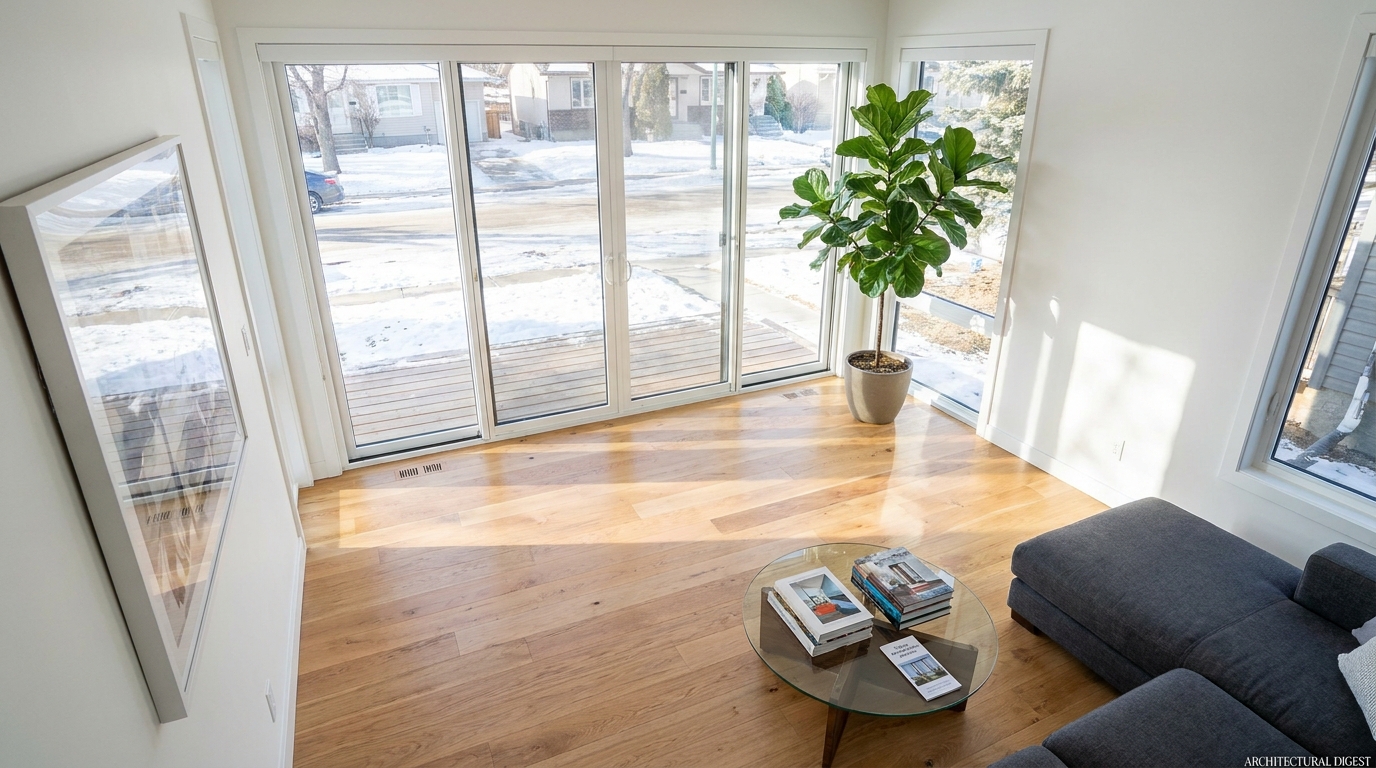
After a long, windy, and dry winter in Calgary, your window screens are likely coated in a thick layer of silty dust, allergens, and road grime that can ruin your indoor air quality. If you simply crack your windows open to enjoy the spring breeze without addressing this buildup, you will inevitably blow all those trapped particles directly onto your freshly cleaned floors and counters, undoing your hard work and triggering seasonal allergies. The good news is that mastering the art of cleaning window screens in Calgary is a highly effective, straightforward task that instantly revitalizes your living space, allowing crisp, fresh Alberta air to circulate safely while keeping the spring pests outside.
- Regularly washing your screens dramatically improves indoor air quality by preventing trapped winter dust, vehicle exhaust, and spring pollen from blowing into your Calgary home.
- The safest, most effective cleaning method for delicate meshes requires zero harsh chemicals; a simple solution of warm water and a single drop of Dawn dish soap is all you need.
- Properly removing your screens, washing them gently with a soft brush, and allowing them to air dry completely before reinstalling extends the lifespan of both your screens and window frames.
Why is Cleaning Window Screens in Calgary Essential for Maximizing Summer Airflow in Your Home? (The Key to Fresh Air)
Calgary’s unique climate presents distinct challenges for homeowners trying to maintain a pristine living environment. From the sweeping Chinook winds that carry fine silt and dust across the prairies, to the aggressive pollen season in late spring, your window screens act as your home’s first line of defense. Over the months, these screens function much like a furnace filter, trapping airborne debris. When the weather finally warms up and you open your windows to cool down your house, a heavily soiled screen acts as a roadblock. Not only does the grime physically block the breeze from entering—reducing your home’s natural summer airflow—but whatever air does push through will carry a cloud of microscopic dirt directly into your home.
This has a cascading effect on your weekly cleaning routine. When dirty air blows in, it immediately settles on your hard surfaces. Suddenly, you find yourself constantly wiping down countertops and sweeping floors. Maintaining a clean home starts at the perimeter. By ensuring your window screens are immaculate, you reduce the overall dust load inside your house, meaning you can spend less time cleaning and more time enjoying the short Alberta summer. This proactive approach to minimizing indoor dust is a core principle in creating an eco-friendly, non-toxic home, as it reduces your reliance on surface dusters and sweeping.
Furthermore, maximizing airflow through clean screens is vital for regulating indoor temperatures during our hot July and August afternoons. Instead of heavily relying on air conditioning, a cross-breeze through clean, unobstructed window screens naturally cools your home efficiently. Taking the time to prep these screens before the summer heat arrives ensures your home remains a fresh, breezy sanctuary.
What Are the Safest Removal and Washing Techniques for Cleaning Window Screens? (A Step-by-Step Guide)
Tackling your window screens might seem daunting, especially if you have a multi-story home, but following a systematic approach makes the process highly manageable. First, always remove the screens from their frames before washing. Attempting to wash screens while they are still installed will simply push dirty water down into your window tracks, leading to jammed sliders and potentially causing water damage to your interior window sills.
Carefully lift the retaining clips or pull tabs on the inside of the screen. Calgary homes experience extreme temperature fluctuations, which can make plastic tabs and aluminum frames brittle. Apply gentle pressure to avoid snapping the tabs or bending the frame. As you remove each screen, use a small piece of painter’s tape and a marker to label which window it belongs to (e.g., “Primary Bedroom Left”). This simple step saves immense frustration when it is time to reinstall them, as screens that look identical often have microscopic size variations unique to a specific window frame.
Once removed, lay the screens flat on a clean tarp, a large towel, or a clean section of your driveway. Never lean them against a brick wall or fence while scrubbing, as the pressure can easily stretch or tear the delicate fiberglass or aluminum mesh. For a comprehensive overview of how to tackle these seasonal tasks efficiently without damaging your property, consulting an expert homeowner house cleaning guide can streamline your entire spring cleaning routine.
How Do You Go About Removing Embedded Alberta Dust From Delicate Meshes?
When it comes to the actual washing, homeowners often make the mistake of reaching for heavy-duty exterior cleaners, bleach, or acidic solutions to cut through the winter grime. This is entirely unnecessary and potentially harmful. Strict adherence to proper cleaning chemistry is critical. Just as you should never use bleach for general surfaces (bleach is exclusively reserved for toilet bowls) and you should never use vinegar on stone or hardwood (vinegar is strictly for hard water mineral scale), you should keep harsh chemicals away from your window screens.
The safest, most effective cleaning solution is identical to the mandatory rule we use for floors and counters: precisely one drop of Dawn dish soap mixed with a bucket of warm water. The surfactants in the dish soap are powerful enough to break down the oily road grime and sticky pollen trapped in the mesh, yet gentle enough not to degrade the fiberglass coating or oxidize the aluminum frames.
Dip a very soft-bristled brush (a clean automotive detailing brush or a soft utility brush works perfectly) into your soapy water. Gently scrub the screen using light, circular motions. Do not press hard; let the soapy water do the heavy lifting. Once you have agitated the dirt, use a garden hose on a low-pressure setting to thoroughly rinse the screen from top to bottom. Never use a pressure washer, as the intense PSI will instantly blow a hole through the mesh.
While the screens are drying, take a moment to address the window frames, tracks, and surrounding interior walls. For cupboards, walls, and interior window frames, all you need is plain warm water applied with a damp microfiber cloth. Wiping away the dust from the surrounding areas ensures that when you put the clean screen back, it stays clean.
When and How Should You Go About Reinstalling and Maintaining Screens After Washing?
After a thorough rinsing, tap the frames gently on the ground to dislodge excess water trapped in the spline groove, then lean them upright in a sunny, breezy spot to air dry. It is absolutely crucial that the screens are one hundred percent dry before you reinstall them. Putting damp screens back into your windows can trap moisture against the window casing, creating an ideal environment for mold and mildew to develop, especially in the shaded parts of your home.
Before reinstalling, inspect the spline—the rubber cord that holds the mesh into the frame. If the spline is cracked, dry-rotted from UV exposure, or popping out, it can easily be pushed back in with a spline roller, or replaced entirely for just a few dollars at a local hardware store. Likewise, check the mesh for any small tears caused by previous Calgary hail storms or curious pets. Small tears can be patched with adhesive screen repair tape to keep the mosquitoes out.
Once reinstalled using your painter’s tape labels as a guide, you can transition to a low-effort maintenance routine. To prevent the heavy buildup from returning, simply incorporate screen dusting into your regular interior cleaning schedule. Once a month, use your vacuum cleaner’s soft dusting brush attachment to gently vacuum the inside of the screens while they are in the window. This pulls away loose household dust before it has a chance to embed into the mesh. If managing these deep cleaning and maintenance tasks feels overwhelming alongside your busy schedule, exploring the best house cleaning services in Calgary can help you find a professional team to maintain the flawless interior of your home, leaving you more time to relax.
Frequently Asked Questions About Cleaning Window Screens in Calgary
How often should I clean my window screens in Calgary?
For most Calgary homes, washing your window screens twice a year is optimal. We highly recommend a deep wash in the late spring to clear away the winter dust and pollen, and another light wash in the early autumn to remove summer grime and wildfire smoke residue before you close up your home for the winter. In between these washes, a quick pass with a vacuum dusting brush once a month will keep them highly functional.
Can I use vinegar or bleach to clean my window screens?
No, you should never use vinegar or bleach on your window screens. Bleach is highly corrosive and is strictly reserved for disinfecting toilet bowls. Vinegar is an acid meant exclusively for dissolving hard water mineral scale and can damage the protective coatings on your screen mesh or the finish of your aluminum frames. The absolute best solution is simply one drop of Dawn dish soap mixed into a bucket of warm water.
What is the best way to clean my interior window frames and surrounding walls?
While you have your screens removed, it is the perfect time to clean your window frames and tracks. The most effective and safest method is to use a high-quality microfiber cloth dampened with plain warm water. There is no need for heavy chemical sprays on your walls or window casings; plain warm water on a damp microfiber cloth will effortlessly lift dirt and dust without leaving any sticky residue behind.
Do I really need to remove the screens to wash them properly?
Yes, for a thorough, deep clean, removing the screens is necessary. Washing screens while they are still in the window frame will wash all the dirt, pollen, and soapy water directly down into your window tracks and weeping holes, potentially causing clogs, water damage, or mold issues inside your wall cavities. Always remove them, lay them flat outside, and rinse them completely before replacing them.