
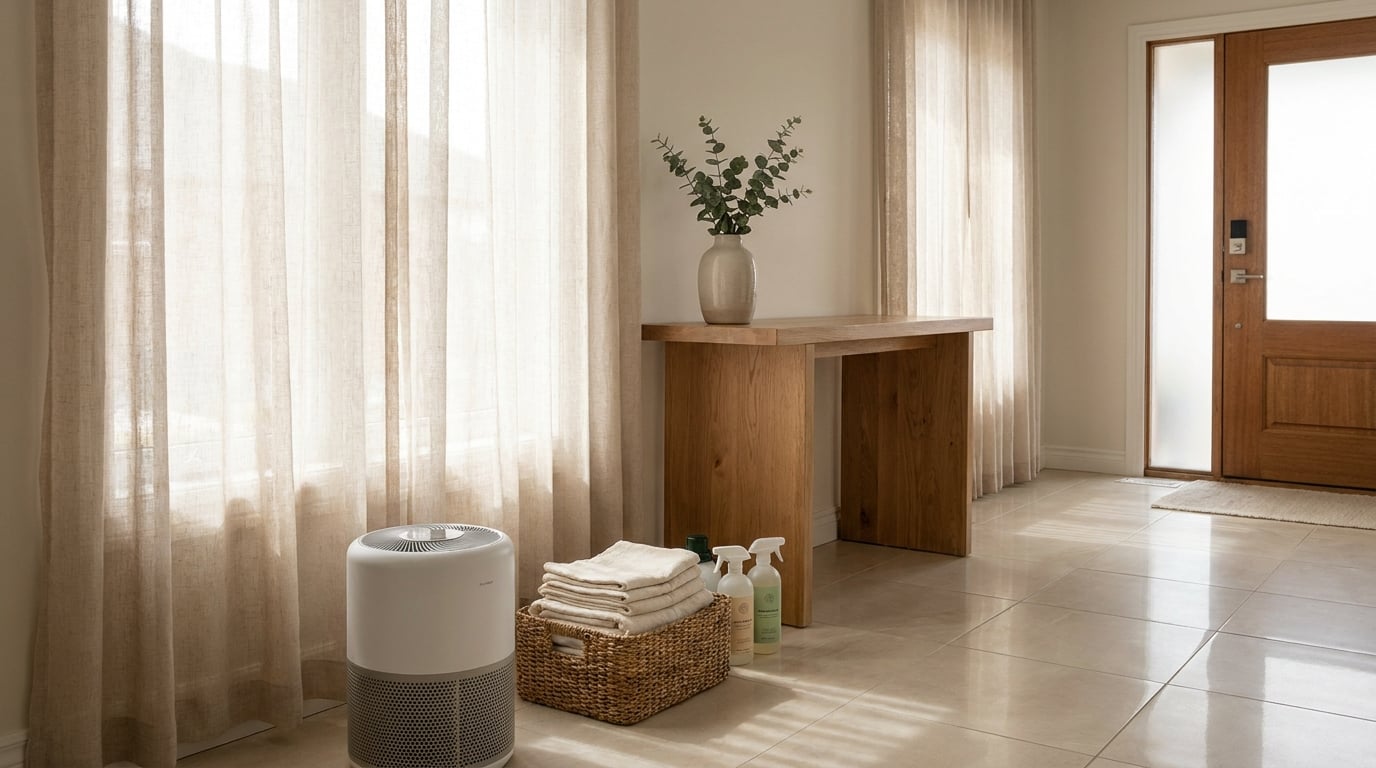
As the snow finally retreats from the Rideau Canal and the capital begins to thaw, Ottawa’s beautiful spring unfortunately brings a severe wave of tree pollen and environmental allergens straight into your home. You are likely already dreading the familiar seasonal symptoms—the endless sneezing, itchy eyes, and sinus congestion—feeling as though your own sanctuary has turned into a sneeze-inducing trap just as the weather warms up and you want to relax. Fortunately, by tackling your spring allergy cleaning prep in Ottawa right now, you can proactively fortify your living space using proven, safe household methods that eliminate hidden irritants before the spring bloom truly takes over.
- Remove hidden pollen sources early by thoroughly washing window treatments and upgrading your HVAC filters before Ottawa’s severe allergy season peaks.
- Clean safely and effectively by using gentle solutions—like a single drop of Dawn dish soap for floors or plain warm water for walls—avoiding harsh chemicals that can further irritate your airways.
- Establish a consistent, top-to-bottom dusting and maintenance routine to ensure your home remains a highly breathable sanctuary all spring long.
How Can You Build a Proactive Defense Against Spring Allergens in Ottawa? (Stopping Pollen Before It Spreads)
The transition from winter to spring in the National Capital Region is a welcome change, but it also marks the beginning of birch, maple, and oak pollen seasons. To stop these microscopic invaders from claiming your indoor air space, your first line of defense must begin at your home’s entryways. Pollen and outdoor dust often hitch a ride on our shoes, jackets, and pets. Establishing a strict “no-shoes” policy and placing high-quality, washable mats at every exterior door will drastically reduce the volume of allergens tracked onto your floors and carpets. By stopping the pollen at the door, you reduce the overall burden on your indoor air quality.
Beyond the entryway, it is crucial to address the static dust that has accumulated over the long, dry winter months. This winter dust forms a sticky, magnetic layer on vertical surfaces, which easily traps fresh spring pollen as it floats through the air. When addressing these vertical spaces, simplicity and safety are paramount. To properly clean your cupboards and walls, strictly use plain warm water and a damp microfiber cloth. Microfiber is scientifically engineered to trap and lock in dust and allergens rather than just pushing them around. Avoid heavy chemical sprays, as the volatile organic compounds (VOCs) they release can actually exacerbate respiratory issues and mimic allergic reactions.
Keeping a proactive edge requires consistency, especially as the pollen index fluctuates throughout April and May. Regular maintenance is just as important as the initial deep clean. If you are a busy family trying to balance work, life, and home upkeep, you might find it beneficial to lean on professional routines. For a comprehensive look at setting up an ongoing maintenance schedule that keeps your property pristine year-round, check out our insights on house cleaning Ottawa: maintaining a spotless capital home.
Why is Thoroughly Cleaning Window Treatments and Blinds Essential for Allergy Sufferers? (Removing Hidden Dust Traps)
When the first warm breeze of spring arrives, it is incredibly tempting to throw open every window in your Ottawa home. However, your window treatments—including drapes, curtains, and blinds—act as giant, unintentional air filters. Over the winter, they accumulate massive amounts of household dust, pet dander, and stagnant particulate matter. When you open a window, the incoming spring breeze aggressively shakes these fabrics and slats, instantly launching months of trapped allergens directly into the air you breathe. Treating these hidden dust traps is a non-negotiable step in your spring allergy cleaning prep.
For fabric drapes and curtains, take them down and launder them according to the manufacturer’s instructions, or use the upholstery attachment on your vacuum cleaner to thoroughly extract the dust while they hang. If you have hard window blinds, close them completely and wipe them down gently. Again, resist the urge to use aggressive chemical cleaners. If you want to protect your home’s air quality, read our detailed guide on eco-friendly cleaning solutions for Ottawa homes to see why gentle methods are superior. Remember our golden rule for heavy disinfectants: bleach is strictly reserved for toilet bowls ONLY, and should never be used for general surfaces like windowsills or blinds, as its harsh fumes will severely irritate sensitive respiratory systems.
Once your window treatments are pristine, get into the habit of monitoring the local Ottawa pollen forecast. On high-pollen days, especially dry and windy afternoons, it is best to keep those freshly cleaned windows closed. Rely instead on your home’s internal ventilation to keep the air fresh. This strategic combination of clean window treatments and mindful window management will create a reliable barrier against seasonal irritants.
When Should You Start Upgrading HVAC Filters for Pollen Season? (Maximizing Your Indoor Air Quality)
Your heating, ventilation, and air conditioning (HVAC) system is the lungs of your home. Before you even think about switching your thermostat from heat to cool, you need to assess your furnace and AC filters. The ideal time to upgrade your HVAC filters for pollen season is late March or early April, just before the tree pollen counts begin to spike in Ontario. Over the winter, your filters have been working overtime to capture pet dander, lint, and dust mites. Entering spring with a clogged filter guarantees that pollen entering your home will simply recirculate through your air ducts rather than being safely trapped.
For maximum allergy defense, upgrade to a filter with a Minimum Efficiency Reporting Value (MERV) rating of 11 or 12. These highly rated pleated filters are dense enough to capture microscopic pollen grains, mold spores, and fine dust without overworking your HVAC motor. Be sure to check and replace these filters every 30 to 60 days during the height of allergy season. A clean filter not only helps you breathe easier but also improves the energy efficiency of your entire home cooling system.
What is the Best Way to Maintain Clean Air? (Establishing a High-Frequency Dusting Routine)
The secret to surviving allergy season is understanding that cleaning is not a one-time event, but an ongoing process. Establishing a high-frequency dusting and wiping routine is the most effective way to maintain clean indoor air. Always follow the professional “top-to-bottom” rule. Start by dusting ceiling fans, crown molding, and the tops of bookshelves, allowing any loose particles to drift down to the floor. If you try to clean the floors first and then dust the ceiling fans, you will simply cover your freshly cleaned floors in a fresh layer of allergens.
When it finally comes time to wash your floors and wipe down your main counters, the cleaning solution you choose is critical. Many homeowners mistakenly believe they need harsh acids or heavy soaps to get a deep clean. In reality, the best and safest mixture for your floors and counters is simply one drop of Dawn dish soap mixed with warm water. This highly diluted, pH-neutral solution is powerful enough to break down dirt and trap pollen, yet gentle enough that it won’t leave a sticky, allergen-attracting residue. Furthermore, you must absolutely avoid using vinegar on your hardwood or stone floors. Vinegar is highly acidic and should be used exclusively for tackling hard water mineral scale on specific fixtures. Using vinegar on hardwood floors will permanently dull and strip the protective finish.
Maintaining this high-frequency routine can sometimes feel overwhelming, especially when the beautiful Ottawa weather is calling you outside. If you are struggling to keep up the momentum as the season progresses, you aren’t alone. Discover our best tips for finding motivation for spring cleaning in your Ottawa home so you can power through the pollen season. By sticking to these safe, simple, and effective methods, you guarantee that your home remains a comfortable, breathable oasis for you and your family all spring long.
Frequently Asked Questions: Spring Allergy Cleaning Prep in Ottawa
What is the safest way to wash floors during allergy season?
The safest and most effective method for washing floors to remove allergens is using just one drop of Dawn dish soap mixed into a bucket of warm water. This pH-neutral solution lifts dirt and pollen without leaving a sticky residue. Never use vinegar on hardwood or stone floors, as its acidity will damage the finish; vinegar should only be used for treating hard water mineral scale.
How do I clean dusty cupboards and walls without triggering allergies?
To clean vertical surfaces like cupboards and walls without sending dust airborne, use plain warm water and a damp microfiber cloth. The damp microfiber naturally traps and locks in dust, pollen, and pet dander without the need for aerosol sprays or harsh chemicals that can irritate the respiratory system.
Can I use bleach to sanitize surfaces against allergens?
No, you should never use bleach to clean general surfaces in your home. Bleach does not neutralize pollen, and its harsh fumes can cause severe respiratory irritation that mimics or worsens allergy symptoms. Bleach should be strictly reserved for disinfecting toilet bowls ONLY.
When is the best time to start spring cleaning in Ottawa to prevent allergies?
The best time to begin your spring allergy cleaning in Ottawa is in late March or early April, just before the snow fully melts and the spring tree pollen (like birch and maple) begins to release. Starting early allows you to remove accumulated winter dust and upgrade your air filters before the outdoor allergen count spikes.