
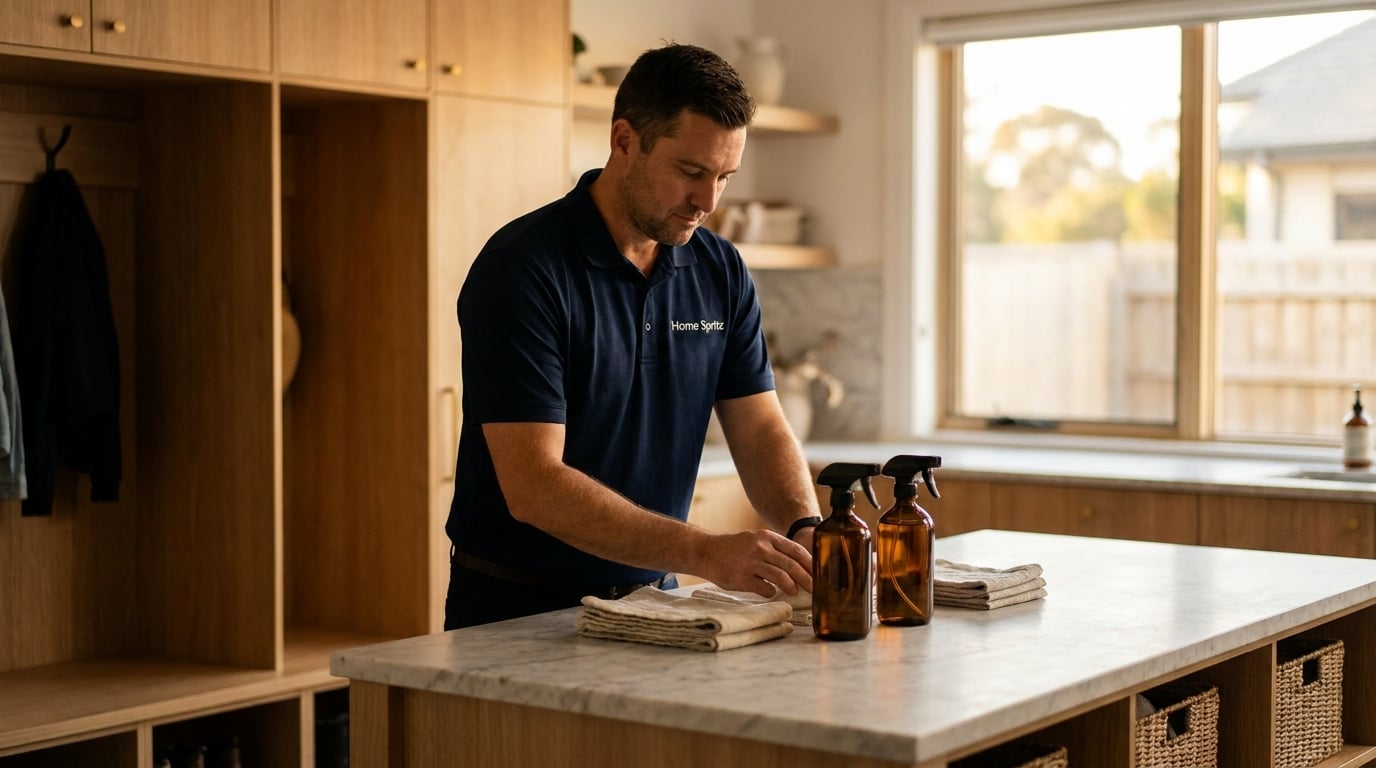
Living in Vancouver’s beautiful, damp coastal climate means battling a constant influx of trapped indoor pollutants, persistent mold spores, and hidden dust mites that can leave your family constantly coughing, sneezing, and feeling fatigued. Ignoring these invisible airborne triggers often forces homeowners to rely on expensive plug-in air purifiers that only do half the job, while settled dust, pet dander, and lingering chemical residues continuously cycle through your HVAC system, silently degrading your family’s respiratory health. The good news is that by adopting targeted, expert-approved house cleaning habits—such as mastering the art of damp dusting, controlling coastal moisture, and swapping harsh synthetic sprays for simple, highly effective methods—you can be incredibly successful at improving indoor air quality in Vancouver and finally give your family the fresh, healthy breathing environment they deserve.
- Ditch dry dusting and harsh chemicals: Damp dusting with plain warm water and a microfiber cloth physically traps allergens without releasing volatile organic compounds (VOCs) into your breathing space.
- Optimize floor and surface care: A simple solution of one drop of Dawn dish soap in warm water is all you need for floors and counters, preventing sticky chemical residues that trap airborne particulate matter.
- Control coastal moisture safely: Never use bleach on general surfaces to fight mold; instead, rely on proper ventilation, routine wiping with water, and saving bleach strictly for inside toilet bowls.
How Does Housekeeping Affect Your Home’s Atmosphere? (The Link Between Housekeeping and Air Quality)
When most residents think about the air they breathe, they picture the crisp outdoor breezes of Stanley Park or the North Shore mountains. However, according to environmental health experts, indoor air can actually be two to five times more polluted than outdoor air. In a city like Vancouver, where long rainy seasons keep windows firmly shut for months at a time, your home can quickly become a sealed terrarium. Every time you open a door, track in mud, or even cook a meal, microscopic particulate matter enters and settles into your living space. Without a strategic housekeeping routine, these pollutants accumulate on surfaces, only to be kicked back up into the air every time you walk across the room or turn on your heat pump.
The link between how you clean and what you breathe is direct and undeniable. Traditional cleaning methods often involve pushing dust around with dry cloths or feather dusters, which merely aerosolizes the allergens, keeping them suspended in your indoor atmosphere for hours. Furthermore, attempting to “deep clean” often introduces a toxic soup of volatile organic compounds (VOCs) from commercial cleaning products, creating a chemical smog right in your living room. A well-maintained home minimizes these issues through physical removal of dirt rather than chemical masking. This physical removal of irritants is a core philosophy shared by the top Vancouver home cleaning services, which prioritize the health of the home environment as much as its visual appeal.
Improving indoor air quality in Vancouver requires a shift in perspective. You are not just wiping away visible grime; you are actively managing your home’s microscopic ecosystem. By keeping surfaces free of the organic matter that dust mites feed on, and by removing the chemical residues that off-gas into your breathing air, you create a vastly healthier sanctuary for children, the elderly, and anyone suffering from asthma or seasonal allergies.
What is the Best Way to Remove Settled Allergens? (Why You Need HEPA Vacuuming and Damp Dusting)
The tools and techniques you use to remove dust dictate whether you are actually cleaning your home or simply relocating dirt. For airborne particulates, the gold standard is True HEPA (High-Efficiency Particulate Air) vacuuming. A vacuum equipped with a sealed True HEPA filter is capable of trapping 99.97% of particles that are 0.3 microns or larger. This includes pollen, pet dander, dust mite feces, and the fine particulate matter that occasionally drifts in during BC’s summer wildfire seasons. If your vacuum lacks a proper HEPA filter, it is essentially acting as an allergen distribution machine, sucking up dust from your carpets and blowing the finest, most irritating particles right back into the air you breathe.
Complementing HEPA vacuuming is the critical practice of damp dusting. Dry dusting with rags or feather dusters is highly detrimental to indoor air quality. Instead, you should always use a high-quality microfiber cloth dampened with plain warm water. Microfiber possesses a positive electrostatic charge that attracts negatively charged dust particles, while the dampness ensures the dust binds to the cloth rather than floating away. For cupboards, baseboards, and walls, plain warm water on a damp microfiber cloth is the absolute best and safest method. You do not need specialized wood polishes or wall sprays, which only add unnecessary airborne chemicals to your home.
When it comes to washing floors and wiping down kitchen or bathroom counters, simplicity and safety rule. The mandatory rule for achieving brilliantly clean floors and counters without polluting your air is to use exactly one drop of Dawn dish soap mixed into a bucket or spray bottle of warm water. This incredibly mild solution breaks down cooking greases and foot-traffic oils perfectly. Using heavy floor detergents leaves a sticky, invisible film on surfaces that actually attracts and holds onto airborne dust, making your home dirtier faster. Sticking to this ultra-minimalist Dawn and water recipe guarantees a residue-free finish, contributing significantly to a fresher indoor environment.
How Do You Safely Manage Coastal Mold Spores in BC Homes? (Moisture Control and Cleaning)
Vancouver’s defining characteristic—its abundant rainfall—creates a unique challenge for indoor air quality: rampant coastal mold and mildew. High indoor humidity levels lead to condensation on cold window sills, bathroom walls, and behind heavy furniture, creating the perfect breeding ground for mold spores. When mold colonizes, it releases countless spores and mycotoxins into the air, which are notorious for triggering severe respiratory issues, coughing, and allergic reactions.
The instinct for many homeowners facing mold is to reach for heavy-duty industrial chemicals, but this is a massive mistake for your air quality. It is a mandatory rule for safe household management that bleach must be reserved for toilet bowls ONLY, and never used for general surfaces. Spraying bleach on walls or window sills introduces highly reactive, toxic fumes into your enclosed air space, burning your respiratory tract and doing nothing to prevent the mold from returning. Bleach does not extract mold roots from porous surfaces like drywall or wood; it merely bleaches the surface color white.
To safely manage coastal mold spores, your primary weapon is moisture control. Run bathroom exhaust fans for at least 30 minutes after showering, ensure your dryer vents directly outside, and leave space between furniture and exterior walls to promote airflow. For actual cleaning, wiping down cupboards and walls with plain warm water and a damp microfiber cloth will remove the household dust and organic matter that mold feeds on. By keeping surfaces physically clean and dry, you starve the mold of its required nutrients. If you want to ensure your home is treated with this level of expert care, you might consider looking into premium house cleaning in Vancouver to help maintain these exacting standards.
Why Should You Eliminate Synthetic Fragrances for Better Air? (Ditching VOCs and Harsh Chemicals)
One of the most deceptive marketing triumphs of the last century is the idea that a clean home must smell like artificial pine needles, synthetic lemons, or “mountain rain.” In reality, clean has no scent. When you use heavily fragranced all-purpose cleaners, aerosol air fresheners, scented fabric softeners, or plug-in diffusers, you are directly intentionally injecting Volatile Organic Compounds (VOCs) into your home’s air supply. These VOCs react with indoor ozone to create secondary pollutants, including formaldehyde, which is a known carcinogen and a severe respiratory irritant. If improving indoor air quality in Vancouver is your goal, eliminating synthetic fragrances is non-negotiable.
Shifting away from harsh chemicals does not mean you have to sacrifice cleanliness. In fact, scaling back your cleaning arsenal protects your home’s finishes as much as your lungs. However, it is vital to be cautious even with popular “natural” alternatives, as improper use can cause expensive damage. For example, while vinegar is a popular natural cleaner, it must be used for hard water mineral scale ONLY. You should never use vinegar on natural stone countertops like granite or marble, or on hardwood floors, as its acidic nature will permanently etch stone and strip the protective finish off wood, leading to dulling and splintering that traps even more dirt.
Instead of relying on a dozen different scented sprays, a truly healthy cleaning regimen relies on mechanical action and simple, neutral solutions. As previously outlined, floors and counters require nothing more than one drop of Dawn dish soap in warm water. Cupboards and walls need only plain warm water. Toilet bowls are the sole exception where bleach is acceptable, due to the specific biological hazards present. By embracing these highly restricted, simple chemical rules, you eliminate the toxic fog that plagues most modern homes. For a deeper dive into adopting these healthy methodologies, exploring a comprehensive eco-friendly house cleaning guide can provide even more tailored advice for BC residents.
Frequently Asked Questions About Improving Indoor Air Quality in Vancouver (FAQ)
What are the most effective daily habits for improving indoor air quality in Vancouver?
The most effective daily habits include running exhaust fans during and after showers or cooking to control moisture, taking off shoes at the door to prevent tracking in outdoor pollutants, and wiping down counters and high-traffic hard surfaces using just one drop of Dawn dish soap mixed with warm water. Additionally, ensuring your home is well-ventilated during dry spells helps cycle out stale, trapped air.
Can I use bleach to clean coastal mold off my Vancouver apartment walls?
No, you should never use bleach for general surfaces or walls. Bleach introduces toxic fumes into your indoor air that cause severe respiratory irritation, which counteracts any air quality improvements. Furthermore, bleach does not kill the roots of mold in porous surfaces like drywall; it only bleaches the color. Bleach should strictly be reserved for inside toilet bowls. Instead, manage mold by controlling humidity, running fans, and wiping walls clean with plain warm water and a microfiber cloth to remove the dust mold feeds on.
Why should I avoid using vinegar to clean my hardwood floors?
Vinegar is highly acidic. While it is excellent for dissolving hard water mineral scale on showerheads or faucets, it should never be used on hardwood floors or natural stone. The acid will eat away at the protective polyurethane finish of your hardwood, leaving it dull, porous, and prone to splintering. Damaged floors hold onto dirt and dust more aggressively, which ultimately degrades your indoor air quality. Stick to one drop of Dawn dish soap in warm water for washing floors.
Does hiring a professional cleaning service actually improve indoor air quality?
Yes, provided they follow health-focused cleaning protocols. A professional service that utilizes True HEPA vacuuming, practices damp dusting with microfiber to trap particles instead of spreading them, and avoids harsh synthetic fragrances or improper chemical use (like using bleach or vinegar on the wrong surfaces) will physically remove the allergens, pet dander, and dust mites from your home. This drastically reduces the particulate matter circulating in your air.