
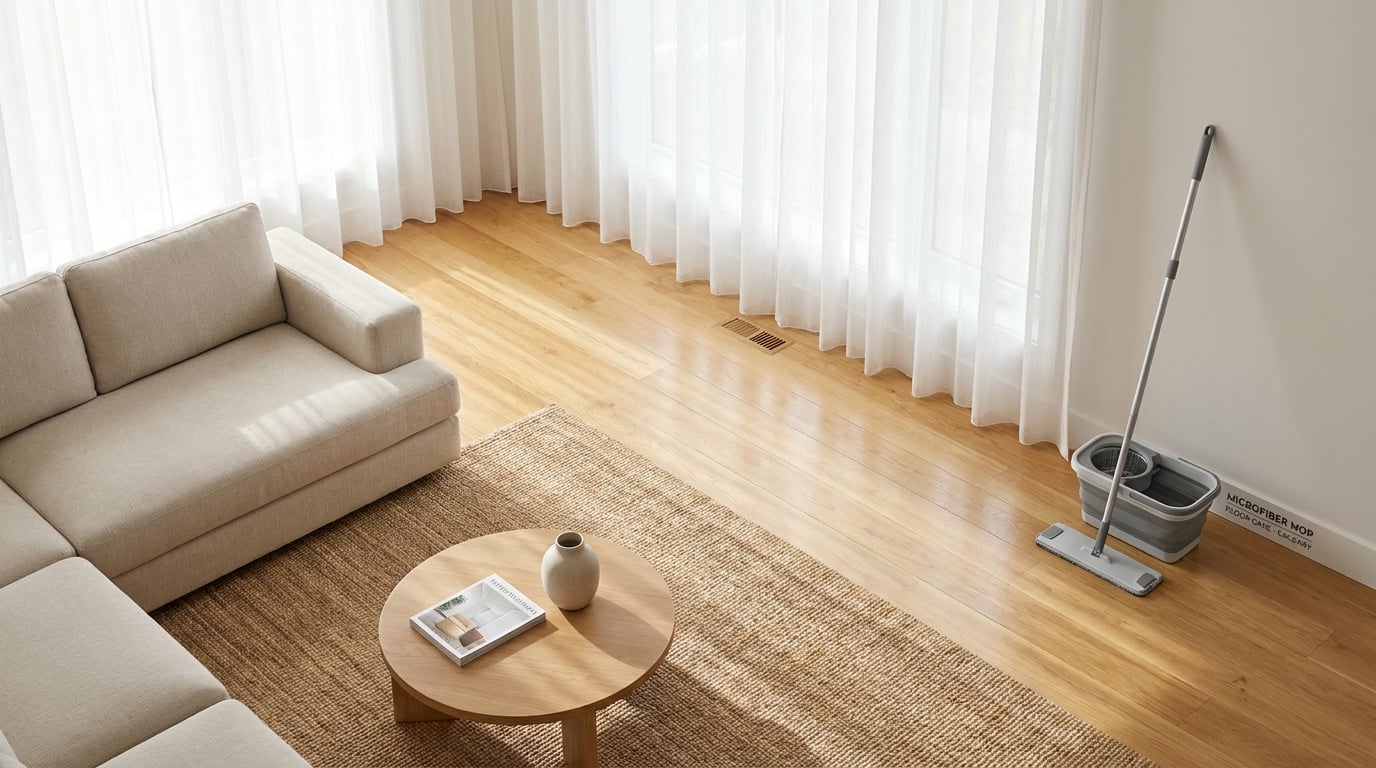
Calgary homeowners know the struggle well: you invest in gorgeous hardwood or premium tile floors, only to watch them slowly lose their original, flawless luster over time. Living in Alberta means our homes are subjected to wild climate swings—from bone-dry, freezing winters to the sudden slush and mud of a spring Chinook, and straight into dusty summer winds. This unique environment creates an endless cycle of sweeping and mopping just to keep the grit at bay. Yet, despite your hardest efforts and most exhausting weekend cleaning marathons, your floors may start showing dull spots, hazy streaks, or, far worse, buckling and cupping at the seams.
This is incredibly frustrating, especially when you are spending your valuable free time trying to keep your living space pristine for your family. Often, the very methods we use to clean are the culprits causing the most harm. Using a traditional string mop and a heavy bucket of soapy water might feel like the deep, satisfying clean your floors need, but it is actually one of the leading causes of premature floor damage. Traditional mops slosh excessive water into the delicate joints of your hardwood, causing the natural wood fibers to swell, warp, and degrade from the inside out. Furthermore, relying on heavy, harsh chemical cleaners can permanently strip away the factory-grade protective finish, leaving your flooring investment vulnerable to scratches while simultaneously releasing harmful volatile organic compounds (VOCs) into your home’s indoor air.
The solution to maintaining flawless hardwood and tile is surprisingly simple, deeply practical, and overwhelmingly effective: the damp microfiber mopping method paired with pH-neutral cleaners. By ditching the heavy buckets and embracing modern, low-moisture microfiber technology, you can lift away dirt, protect your expensive finishes, and keep your home’s air quality safe. At Home Spritz, our professional cleaners specialize in these advanced, specialized care techniques to ensure your home looks impeccable without compromising its structural integrity. In this comprehensive guide, we will walk you through exactly why excessive water is the absolute enemy of hardwood, how to properly execute the microfiber mopping method, and how to choose the right cleaning solutions to keep your Calgary home stunning and safe.
Why Excessive Water Damages Hardwood Floors
To truly understand how to care for your floors, it is important to first understand the nature of the material beneath your feet. Hardwood is a naturally hygroscopic material. This means that even after it has been harvested, milled, treated, and installed in your living room, the wood continues to breathe, absorbing and releasing moisture in response to its surrounding environment. When exposed to excessive water, the cellular structure of the wood acts like a rigid sponge, drawing water deep into the planks.
In a climate like Calgary’s, indoor environments experience extreme fluctuations. During our long winters, the air inside our homes becomes notoriously dry. In fact, maintaining proper indoor humidity is a constant battle for local homeowners. Wood floors that have slightly contracted in this dry, low-humidity winter air will aggressively absorb any excess water left behind by a sloppy string mop. When this localized moisture penetrates the wood, it causes the planks to rapidly expand. Because the floorboards have nowhere to go, they press tightly against one another, leading to a condition known as “cupping,” where the edges of the planks rise higher than the center, creating a wavy, distorted appearance across your floor.
Conversely, if moisture is trapped underneath the floorboards, you may experience “crowning,” where the center of the board swells higher than the edges. In severe cases of water damage, the wood can crack, splinter, or even develop unseen mold colonies beneath the surface. Tile floors, while generally more water-resistant, are not entirely immune either. Saturated traditional mops push dirty water straight into the porous grout lines, discoloring them over time and creating a breeding ground for bacteria.
To prevent these costly disasters, minimizing water contact is the single most important rule in floor care. Managing these delicate balances is exactly why so many residents turn to professional help. If you want to ensure your home is consistently maintained to the highest standards, reviewing an expert house cleaning in Calgary guide can provide you with the essential baseline knowledge needed to protect your investments.
The Damp Microfiber Mopping Method
If traditional string mops and soaking wet sponge mops are the enemies of hardwood, microfiber is the undisputed hero. The damp microfiber mopping method has revolutionized residential cleaning, allowing homeowners and professionals alike to achieve a superior clean while using a fraction of the water. But why exactly is microfiber so effective?
Microfiber pads are constructed from a synthetic blend of polyester and polyamide (nylon). These materials are split during the manufacturing process to create fibers that are incredibly thin—often less than one-hundredth the diameter of a human hair. This microscopic split structure gives the pad an enormous surface area and creates a highly absorbent capillary action. Furthermore, as the mop glides across your floor, the friction generates a slight static charge that acts like a magnet, actively pulling dust, pet dander, and microscopic debris into the pad rather than simply pushing it around.
To properly execute the damp microfiber mopping method, follow these critical steps:
- Step 1: Thorough Dry Removal. Never introduce a damp mop to a floor covered in loose dirt. Always begin by sweeping with a soft-bristle broom or vacuuming using a hardwood-safe floor attachment (ensure the rotating beater bar is turned off to prevent scratching).
- Step 2: Mist, Do Not Soak. The golden rule of microfiber mopping is moisture control. Instead of filling a bucket with water, use a spray bottle to lightly mist the floor or lightly mist the microfiber pad itself. The pad should feel slightly damp to the touch, never dripping wet.
- Step 3: The “S” Pattern Technique. Place the damp pad on the floor and move the mop in a continuous “S” or figure-eight pattern. This technique ensures that the leading edge of the mop is always capturing the dirt, preventing you from leaving a trail of debris behind. Always try to mop in the direction of the wood grain to minimize the appearance of any residual streaks.
- Step 4: Swap Pads Frequently. A common mistake is using a single microfiber pad for the entire house. Once the pad is visibly soiled, peel it off and replace it with a fresh, clean one. Rinsing a dirty pad in the sink and wringing it out often leaves it too wet for hardwood use. Home Spritz cleaners always carry an ample supply of fresh, sterilized microfiber pads to ensure no cross-contamination occurs between rooms.
Choosing pH-Neutral Cleaners
The solution you use to mist your floors is just as crucial as the mop you push. A persistent and damaging myth in the DIY cleaning world is that a mixture of white vinegar and hot water is the ultimate natural floor cleaner. While vinegar is indeed natural, it is highly acidic. Hardwood floors are not bare wood; they are coated in a protective polyurethane seal. Over time, the repeated application of acetic acid eats away at this seal, slowly dulling the finish and leaving the floor looking cloudy, etched, and permanently stripped of its shine.
On the opposite end of the spectrum, heavy alkaline cleaners, harsh degreasers, and thick oil-based soaps often leave a sticky, hazy residue that acts as a magnet for new dirt. The secret to pristine floors is using a dedicated, high-quality pH-neutral cleaner. These solutions are chemically balanced to lift dirt and grease without reacting with or degrading the protective topcoat of your hardwood or the seal on your tile grout.
Furthermore, choosing the right products is vital for the health of your household. Health Canada advises homeowners to carefully consider selecting low-emission cleaning products and to clean floors with a damp mop or cloth to significantly improve indoor air quality and reduce airborne particulate matter. By utilizing pH-neutral, non-toxic solutions, you protect your family from inhaling noxious fumes while simultaneously preserving the life of your floors. This philosophy is a cornerstone of eco-friendly house cleaning in Calgary, ensuring that homes remain beautifully clean and environmentally safe.
Protecting Floor Finishes
Proper mopping is only one half of the equation; preventative care is the other. The best way to keep your hardwood and tile looking brand new is to minimize the amount of dirt and damage they are exposed to in the first place. In Calgary, our long winters mean boots covered in abrasive road salt, gravel, and melting snow are constantly crossing our thresholds.
To protect your floor finishes long-term, implement these daily habits:
- Institute a strict no-shoes policy. Place high-quality, absorbent mats both outside and inside all exterior doors to trap dirt and moisture before it ever reaches your main living areas.
- Use protective felt pads. Every piece of furniture—from heavy sofas to dining room chairs—should have thick felt pads securely attached to their legs. Replace these pads annually, as they can wear down and trap abrasive grit.
- Manage sunlight exposure. Calgary receives an abundance of bright sunshine year-round. Ultraviolet rays can rapidly fade and bleach hardwood floors. Utilize sheer curtains or UV-blocking window films to protect your wood from discoloration.
- Trim pet nails. Large dogs running to the door can quickly gouge the surface of a polyurethane finish. Keep pet nails trimmed and filed to minimize surface scratching.
Consistent, gentle care is the ultimate key to longevity. However, keeping up with these rigorous standards on top of a busy career and family life is daunting. This is why many homeowners choose to partner with trusted professionals. When researching the best house cleaning services in Calgary, it is imperative to look for a company that explicitly trains their staff on the nuances of specialized floor care. Home Spritz is proud to be that trusted partner, bringing the right tools, the safest products, and the refined expertise necessary to elevate the standard of clean in your home.
FAQ
How often should I damp mop my hardwood floors in Calgary?
For most households, damp mopping with a microfiber pad should be done once a week or once every two weeks, depending on foot traffic and the presence of pets. However, dry sweeping or vacuuming should be performed every few days to prevent loose dirt and grit from acting like sandpaper against your finish.
Can I use a steam mop on my hardwood floors?
Absolutely not. Steam mops are one of the most damaging tools you can use on hardwood. They force highly pressurized, boiling moisture directly into the joints and pores of the wood. This extreme heat and moisture will rapidly cause warping, cupping, and can instantly void the manufacturer’s warranty on your flooring.
Why do my floors look cloudy and streaky after I mop?
A cloudy or streaky finish is almost always the result of using too much water, using the wrong cleaning product (like vinegar, oil soaps, or heavy floor waxes), or washing with a dirty mop pad. The residue left behind dries into a haze. Switching to a pH-neutral cleaner, using a fresh microfiber pad, and misting lightly will eliminate these streaks.
Does Home Spritz provide the proper microfiber equipment for hardwood floors?
Yes. When you book a service with Home Spritz, our highly trained professionals arrive fully equipped with premium microfiber mops, a generous supply of clean replacement pads, and safe, pH-neutral cleaning solutions explicitly chosen to protect and enhance your hardwood and tile floors.