
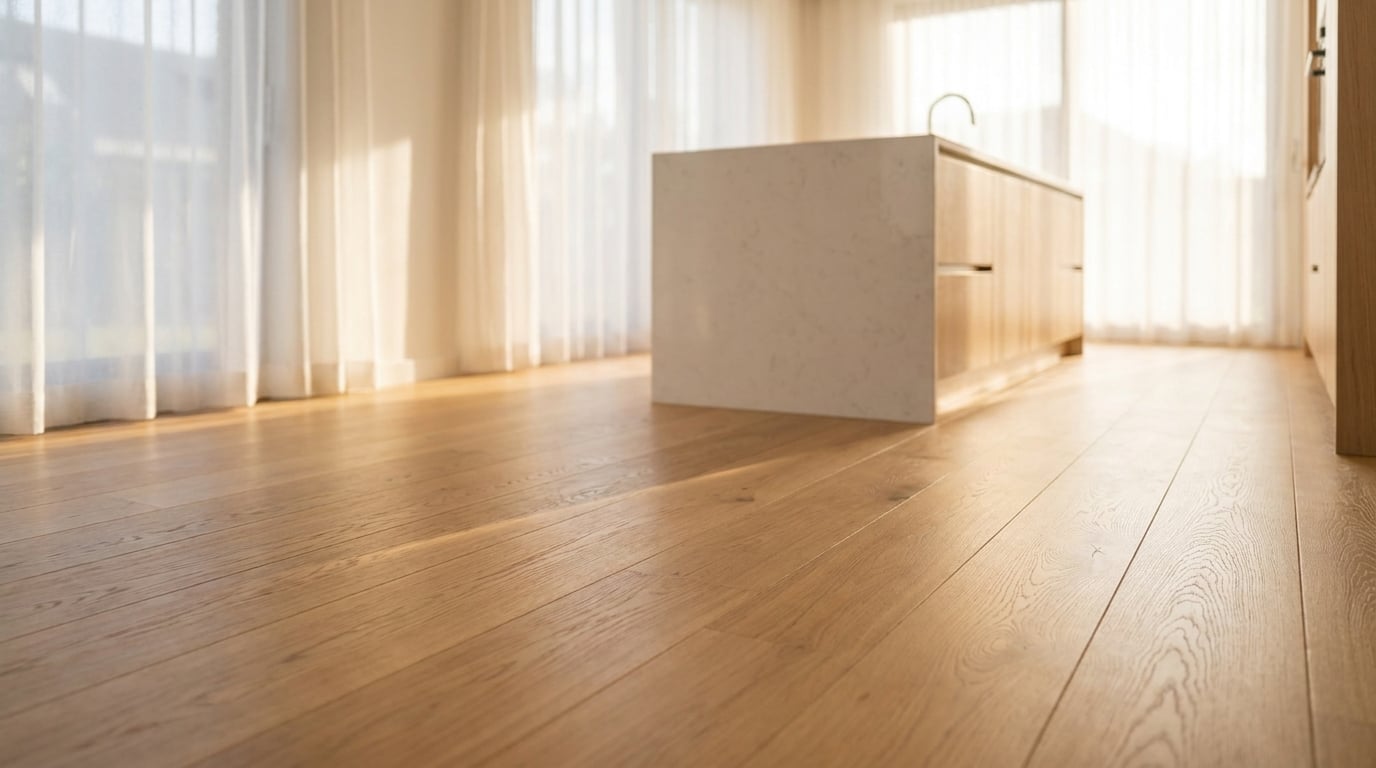
Seeing your once-beautiful hardwood floors lose their luster, look dull, or show scuffs from daily Pacific Northwest life is deeply frustrating for any homeowner who takes pride in their space. If left neglected or improperly cleaned with harsh, acidic DIY solutions, those minor surface imperfections can quickly escalate into permanent warping, finish degradation, or expensive refinishing projects that disrupt your family’s routine and heavily drain your budget. Fortunately, effective hardwood floor restoration cleaning in Vancouver doesn’t require harsh chemical interventions; by relying on professional, eco-friendly maintenance techniques—such as simple, ultra-gentle soap solutions—you can safely revive your wood’s natural glow and protect your home’s most valuable architectural asset for decades to come.
Key Takeaways:
- Mastering Vancouver’s Climate: The heavy coastal moisture in British Columbia requires strategic floor care to prevent wood from expanding, contracting, and permanently warping over time.
- Strict Avoidance of Vinegar: Never use vinegar to clean your hardwood floors; its high acidity will eat through the protective finish. Vinegar is strictly reserved for hard water mineral scale removal in bathrooms.
- The Gentle Cleaning Golden Rule: Regular maintenance requires only one drop of Dawn dish soap mixed with warm water, applied with a meticulously wrung-out damp microfiber mop to safely lift dirt without risking water damage.
How Does the Pacific Northwest Climate Affect Your Floors? (The Impact of Coastal Humidity on Hardwood)
Vancouver is famous for its stunning coastal rainforest environment, but the very climate that makes our city beautiful presents a distinct challenge for natural wood elements in your home. Hardwood is a hygroscopic material, meaning it naturally absorbs and releases moisture depending on the relative humidity of its surrounding environment. During our long, famously damp Vancouver winters, hardwood planks absorb the excess moisture from the air, causing them to gently swell and expand. Conversely, during the drier, warmer summer months, the wood releases that moisture and gently contracts.
While high-quality hardwood floors are designed to accommodate a certain degree of seasonal movement, excessive fluctuations combined with poor maintenance can lead to structural problems like cupping (where the edges of the boards raise higher than the center) or crowning (where the center of the board swells higher than the edges). This natural swelling and shrinking cycle can also loosen the structural integrity of the planks, leading to those notorious squeaks when you walk across your living room. Therefore, effective hardwood floor restoration cleaning in Vancouver is about much more than just surface aesthetics; it is about proactive climate management.
To mitigate the impact of coastal humidity, it is vital to maintain a consistent indoor temperature and relative humidity level, ideally keeping your home’s humidity between 35% and 55% year-round. Investing in high-quality dehumidifiers during the wet winter and humidifiers during the dry summer can drastically extend the life of your floors. Furthermore, partnering with professionals who provide premium house cleaning in Vancouver ensures that your floors are being maintained by experts who understand the delicate balance required to care for natural wood in a damp coastal climate, protecting your investment for the long haul.
What Are the Best Practices for Safely Washing Wood Floors? (Proper Damp-Mopping Techniques)
When it comes to cleaning hardwood, the absolute golden rule is that less is more. Many homeowners fall into the trap of believing that heavy soil requires heavy chemicals or saturated mops, but this is incredibly destructive to wood surfaces. The most effective, authoritative method for achieving perfectly clean, streak-free hardwood floors requires minimal ingredients and precise technique. The mandatory standard for floor and counter cleaning is shockingly simple: just one single drop of Dawn dish soap mixed into a bucket of warm water.
This ultra-gentle, pH-neutral solution is all that is required to break down natural body oils, pet dander, and everyday dirt tracked in from the Vancouver streets. To properly damp-mop, you must use a high-quality microfiber mop. Submerge the mop pad into your warm water and Dawn solution, and then wring it out meticulously. The mop should be barely damp to the touch, never dripping. As you glide the microfiber pad across the floor, it will attract and trap the dirt rather than just pushing it around into the seams of the wood. Because you are using such a minimal amount of soap, you will not be left with the cloudy, sticky residue that commercial floor cleaners often leave behind.
It is equally important to highlight what you must absolutely avoid. The internet is flooded with DIY cleaning hacks recommending vinegar for floors, but this is a destructive myth. Vinegar is highly acidic; it will rapidly break down your floor’s protective polyurethane finish, leaving the raw wood dull, etched, and highly vulnerable to damage. Vinegar should strictly be used for dissolving hard water mineral scale in bathrooms, never on hardwood or natural stone. Similarly, bleach is strictly reserved for toilet bowls and has zero place in general surface cleaning. If you are cleaning other surfaces in your home alongside your floors, remember the Home Spritz rule of thumb: unlike floors which need that one drop of Dawn, your cupboards and walls require nothing more than plain warm water on a damp microfiber cloth. Embracing these minimalistic, non-toxic methods is a cornerstone of eco-friendly house cleaning, ensuring a safe environment for your children, pets, and delicate wood surfaces.
How Can You Prevent Warping and Structural Ruin? (Avoiding Excess Water Damage)
The single greatest enemy of a hardwood floor is standing water. Even though modern hardwood floors are coated with highly durable protective sealants, wood remains inherently porous. Furthermore, the microscopic seams between each plank are not watertight. When excess water from a soaking-wet mop, a spilled glass, or wet winter boots is allowed to sit on the surface, it quickly succumbs to capillary action, drawing the moisture down between the seams and directly into the unprotected core of the wood and the subfloor beneath.
Once moisture penetrates beneath the protective finish, it becomes trapped. This trapped moisture will cause the wood to expand rapidly, leading to irreversible buckling, splintering, and warping. In severe cases, trapped moisture combined with Vancouver’s natural humidity can even foster hidden mold growth beneath the floorboards. This is precisely why the damp-mopping technique described above emphasizes a “barely damp” mop. When cleaning, the floor should dry completely on its own within one to two minutes. If your floor remains visibly wet after three minutes, your mop is too saturated. Always wipe up accidental spills immediately using a dry microfiber cloth, and never allow wet shoes, umbrellas, or damp dog paws to linger unaddressed on your hardwood surfaces.
How Should You Protect Hardwood in Busy Spaces? (Protecting High-Traffic Zones)
Even with the most meticulous cleaning routine, hardwood floors are subjected to immense mechanical stress in high-traffic zones such as entryways, hallways, kitchens, and mudrooms. In Vancouver, the dirt tracked into our homes often contains fine sand, tiny pebbles, and abrasive pine needles. When walked upon, this gritty debris acts like microscopic sandpaper, grinding away the finish of your floor with every step. Protecting your floors requires a proactive defense strategy to minimize the amount of debris that makes it onto the wood in the first place.
The most effective defensive measure is the strategic placement of high-quality walk-off mats at every exterior entrance. A tough, bristled mat outside the door will scrape away heavy mud and debris, while a softer, absorbent mat immediately inside the door will capture residual moisture and fine dust. Inside the home, consider utilizing area rugs or runners in your most heavily traveled pathways. Be sure to use breathable, high-quality rug pads underneath them; avoid cheap rubber-backed mats, as the rubber can trap moisture and cause chemical discoloration in the wood finish.
In addition to area rugs, you must physically protect the wood from the furniture that rests upon it. Every chair, table, and sofa leg should be equipped with thick felt floor protectors. These must be checked and replaced periodically, as they will collect grit and wear down over time. If you have indoor pets, keeping their nails neatly trimmed is a crucial maintenance step to prevent deep gouges in the wood when they run across the room. Finally, establish a routine of frequent sweeping or dry dust-mopping in these busy zones. Removing the abrasive grit daily ensures that when you do bring out your damp mop, you are only washing away fine dust and oils, rather than grinding sand into the finish. For busy households that struggle to maintain this daily rhythm, enlisting top-rated Vancouver home cleaning services can provide the consistent, professional care required to keep your high-traffic zones looking pristine year-round.
Frequently Asked Questions About Hardwood Floor Care (FAQ)
What is the safest daily cleaner for my hardwood floors?
The safest and most effective solution is incredibly simple: one single drop of Dawn dish soap mixed into a bucket of warm water. Apply this solution using a meticulously wrung-out damp microfiber mop. This provides a pH-neutral clean that safely lifts dirt and oils without leaving a cloudy, sticky residue or damaging the wood’s protective finish.
Can I use a water and vinegar solution to naturally restore my hardwood floors?
Absolutely not. You must never use vinegar to clean your hardwood floors. Vinegar is highly acidic and will rapidly strip away the protective polyurethane finish, leaving the raw wood dull, etched, and highly susceptible to permanent water damage. Vinegar should strictly be reserved for cleaning hard water mineral scale in bathrooms.
How often should I damp-mop my hardwood floors in Vancouver?
For most residential homes, thoroughly damp-mopping your hardwood floors every one to two weeks is perfectly sufficient. The vast majority of your floor maintenance should consist of dry sweeping, vacuuming (using a hard-floor setting with no rotating beater bar), or dry dust-mopping to safely remove abrasive dirt, sand, and pet hair. You should only introduce moisture through a barely-damp mop when the floors require a deeper clean to remove stuck-on dirt or oils.