
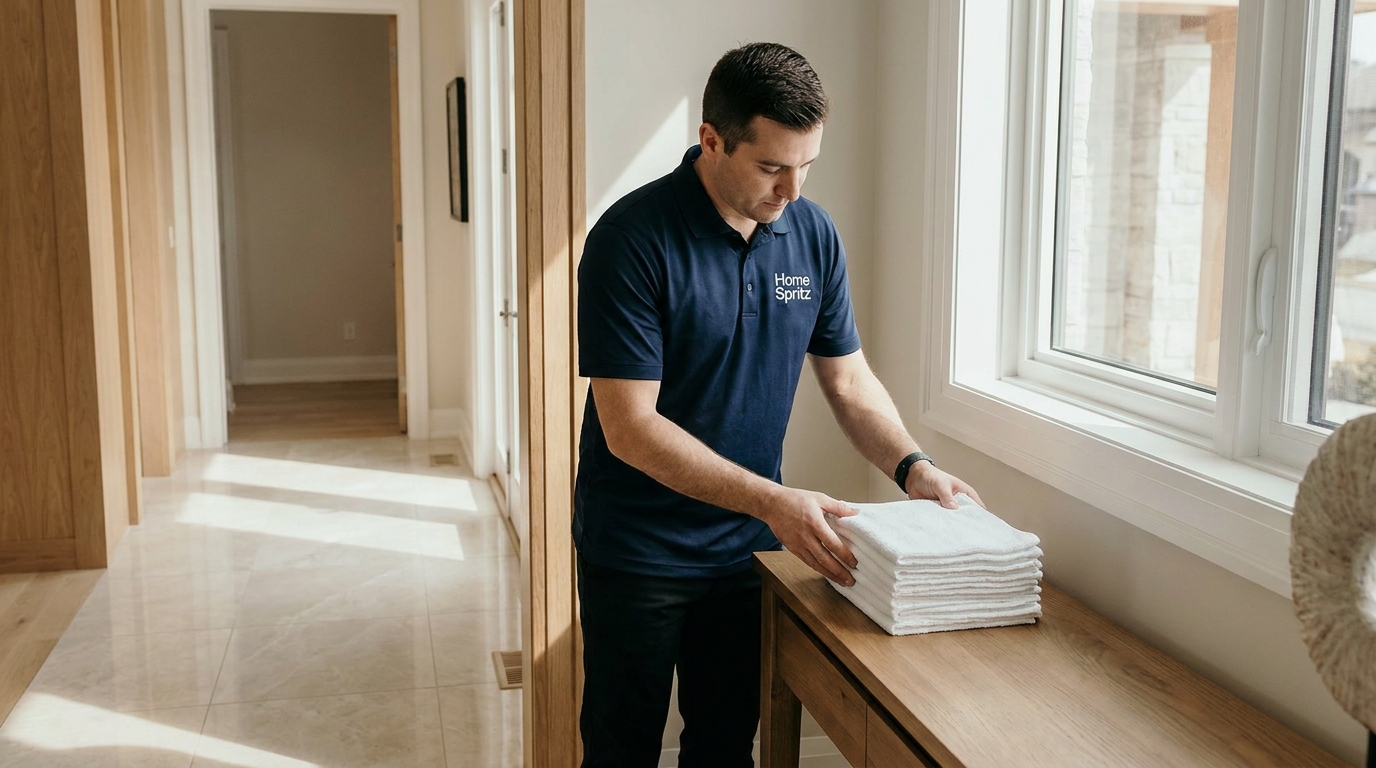
Dealing with heavily soiled carpets in Edmonton is a relentless battle against slush, road salt, and spring mud that gets continuously tracked into your home by boots, pets, and everyday life. It is incredibly frustrating when you spend hours vacuuming endlessly, yet those stubborn, crusty salt stains and grayish traffic lanes keep dragging down the aesthetic of your beautiful rooms, making your otherwise tidy space look neglected and uninviting to guests. Fortunately, with a few strategic techniques tailored for our tough local climate and the help of dedicated professionals in house cleaning in Edmonton, you can effectively refresh your carpets, safely lift ingrained dirt, and restore a fresh, welcoming feel to your living spaces without resorting to damaging chemicals.
Key Takeaways
- Neutralize harsh winter salt and crusty calcium deposits safely with warm water extraction, avoiding aggressive chemicals that strip carpet fibers.
- Implement a high-frequency, multi-directional vacuuming routine to capture hidden Alberta dirt and dry mud before it permanently embeds into the carpet pile.
- Use simple, professional-approved solutions—like plain warm water for surrounding walls and just one drop of Dawn dish soap in warm water for nearby hard floors—to protect your entire home’s finishes.
Why Do Edmonton Winters Wreck Carpets? (Understanding Alberta Mud and Salt Stains)
When it comes to cleaning heavily soiled carpets edmonton homeowners know that our unique climate presents a specialized set of challenges. Throughout our long, harsh winters, city streets and sidewalks are covered in gravel, sand, and calcium chloride to combat ice. When these materials hitch a ride on the bottom of winter boots, they are inevitably deposited directly onto your home’s carpets and area rugs. The issue with road salt is that as the slush melts and the moisture evaporates, the calcium chloride crystallizes inside the carpet fibers. These microscopic salt crystals are incredibly sharp. Every time you step on a crystallized salt stain, those tiny, jagged edges act like microscopic razors, cutting and abrading the synthetic or natural fibers of your carpet. This physical damage creates a dull, frayed appearance that cannot be fixed by vacuuming alone, which is why early intervention is critical for the lifespan of your flooring.
Following the deep freeze comes the inevitable Alberta spring thaw, bringing thick, clay-heavy mud. This mud is notorious for sinking deep into the carpet backing if it gets wet. One of the biggest mistakes homeowners make when dealing with entryway mud is trying to scrub it while it is still damp, which only pushes the soil deeper into the carpet pad and spreads the stain outward. Instead, mud should always be allowed to dry completely before being aggressively dry-vacuumed. Furthermore, the mess often extends beyond the floor. When wet winter boots are kicked off in the mudroom or entryway, slush frequently splatters onto baseboards, walls, and entryway cabinetry. To maintain the integrity of your home’s paint and millwork, it is a strict Home Spritz standard to clean cupboards and walls using plain warm water on a damp microfiber cloth. Avoid the temptation to use harsh chemical degreasers or abrasive sponges on these vertical surfaces, as plain warm water is entirely sufficient to safely wipe away winter splashes without dulling the finish of your home’s beautiful cabinetry or painted drywall.
How Should You Treat Common Carpet Spills? (Safe Spot Cleaning for Everyday Messes)
Beyond the seasonal mud and salt, active households must also contend with everyday spills like coffee, juice, and dropped food. When approaching these common accidents, the technique you use is just as important as the solution you apply. The immediate response to any liquid spill on a carpet should be blotting, never rubbing or scrubbing. Scrubbing a wet carpet untwists the carpet fibers—a phenomenon known as “blooming”—which leaves a permanent fuzzy spot that will look distinctly different from the surrounding texture. To safely spot clean, take a clean, white terry cloth or a thick stack of white paper towels, place it directly over the spill, and apply firm, downward pressure. Using a white cloth ensures that no accidental dye transfer occurs from the towel to your carpet. Once the bulk of the liquid is absorbed, lightly mist the area with plain warm water to dilute any remaining sugars or pigments, and blot again until the cloth comes up entirely clean.
Often, spills do not neatly confine themselves to just the carpet. A tipped mug of coffee or a knocked-over bowl in a transitional space might soak the edge of an area rug while simultaneously puddling onto the adjacent hardwood, laminate, or tile floors. When cleaning these nearby hard surfaces, it is vital to use the correct, safe formula. For all hard floors and counters, our professional standard is to mix exactly 1 drop of Dawn dish soap with warm water. This ultra-mild, pH-neutral solution is incredibly effective at lifting sticky spills from hard surfaces without leaving a cloudy film or degrading the floor’s sealant. If you are ever unsure about how to manage the ongoing maintenance of your floors and carpets, consulting our comprehensive resource on reliable house cleaning Edmonton: a local homeowner’s guide can provide peace of mind and direction for keeping your home in pristine condition.
It is equally important to highlight what you must absolutely avoid during the spot-cleaning process. When faced with a stubborn organic stain like red wine or a pet accident, some homeowners instinctively reach for heavy-duty household chemicals in a panic. Let us be incredibly clear: bleach is for toilet bowls ONLY. Never use bleach for general surfaces, hard floors, or carpets, as it will permanently strip the color dyes from the carpet fibers, leaving a glaring, irreparable white or orange splotch. Relying on gentle dilution, patience, and professional blotting techniques will yield the safest and most effective results for your everyday household spills.
What is the Safest Way to Remove Smells? (Deodorizing Carpets Naturally)
A heavily soiled carpet does not just look dirty; it often holds onto stale odors. Wet dog paws, damp winter wool, and food spills can create a musty environment within the dense pile of your living room rug. Many DIY blogs suggest aggressively spraying odorous carpets with white vinegar. However, at Home Spritz, we strictly mandate that vinegar is to be used for hard water mineral scale ONLY (such as on shower glass or faucets). Vinegar should never be used on stone, hardwood, or as a general carpet deodorizer, as its acidic nature can negatively interact with carpet backings and nearby floor finishes.
The safest, most effective way to naturally deodorize your carpets without compromising the fibers is by utilizing plain, dry baking soda. Baking soda is a natural alkaline powder that excels at absorbing moisture and neutralizing acidic odors trapped deep within the rug. To safely deodorize, ensure the carpet is completely dry. Sprinkle a generous, even layer of baking soda across the smelly area. Use a soft-bristled sweeping brush to gently agitate the powder so it falls between the carpet fibers, reaching down toward the backing where odors usually live. Allow the baking soda to dwell for at least 15 to 20 minutes—or even overnight for severe smells. Afterward, use a high-quality vacuum with a clean HEPA filter to thoroughly extract the powder. This dry method pulls the odor-causing bacteria out of the carpet without introducing unnecessary moisture or acidic liquids that could damage your flooring investment.
How Often Should You Vacuum High-Traffic Areas? (Vacuuming Strategies to Prevent Soil Buildup)
The secret to extending the life of your carpets and delaying the need for intensive, deep-water extraction is mastering your dry soil removal routine. The vast majority of dirt in a carpet is dry, particulate soil. If this dry soil is not removed regularly, the next time moisture is introduced—whether from a spilled glass of water or wet boots—that dry dirt turns into mud at the base of the carpet, creating the heavily soiled, grayish look that is so difficult to reverse. For high-traffic areas in a typical Edmonton home, such as hallways leading from the garage, staircases, and family room entryways, you should be vacuuming a minimum of two to three times a week.
However, frequency is only half of the equation; technique is just as crucial. Most people vacuum in quick, single-direction strokes, which only removes the surface litter. To actually pull up the heavy, abrasive sand and soil that has settled deep into the pile, you must employ multi-directional vacuuming. Start by pushing the vacuum north-to-south across the entire room. Once completed, go back over the exact same area moving east-to-west. This overlapping grid pattern forces the vacuum’s beater bar to agitate the carpet fibers from all angles, opening up the pile and allowing the suction to extract the heavy particulate matter hidden at the bottom.
Maintaining this level of meticulous upkeep can be exhausting for busy families juggling work, school, and winter activities. If you find that keeping up with the constant influx of Edmonton mud and dust is becoming overwhelming, you are not alone. Turning to professionals can save you hours of physical labor each week. Exploring the best house cleaning services in Edmonton 2026 (top 5 ranked by price & reviews) is an excellent way to find a vetted, local team who understands the specific vacuuming and maintenance requirements needed to keep your carpets looking fresh and extending their lifespan despite the challenging local climate.
Frequently Asked Questions About Cleaning Heavily Soiled Carpets in Edmonton
What is the safest way to spot clean nearby hard floors after a carpet spill?
If a spill on your carpet splatters onto your adjacent hardwood, tile, or laminate floors, you should avoid harsh chemical floor cleaners. The safest and most effective professional standard is to mix exactly 1 drop of Dawn dish soap with warm water. Use a lightly dampened microfiber cloth with this solution to easily wipe away sticky residue from floors and counters without damaging the finish.
Can I use vinegar or bleach to remove tough carpet stains?
Absolutely not. Bleach is strictly for toilet bowls ONLY and will permanently destroy the color and integrity of your carpet fibers if applied. Similarly, vinegar should never be used on carpets, hardwood, or natural stone; vinegar is strictly reserved for treating hard water mineral scale ONLY. For carpet stains, use a clean white cloth to blot the area with plain warm water.
How often should I schedule professional vacuuming or cleaning for heavily soiled carpets in Edmonton?
To prevent the buildup of abrasive winter road salt and spring mud, high-traffic carpeted areas should be vacuumed 2 to 3 times per week using a multi-directional technique. For deep restorative care, Edmonton homeowners should rely on professional cleaning services every 6 to 12 months, depending on the number of pets and occupants in the home, to safely extract deep-set soils.