
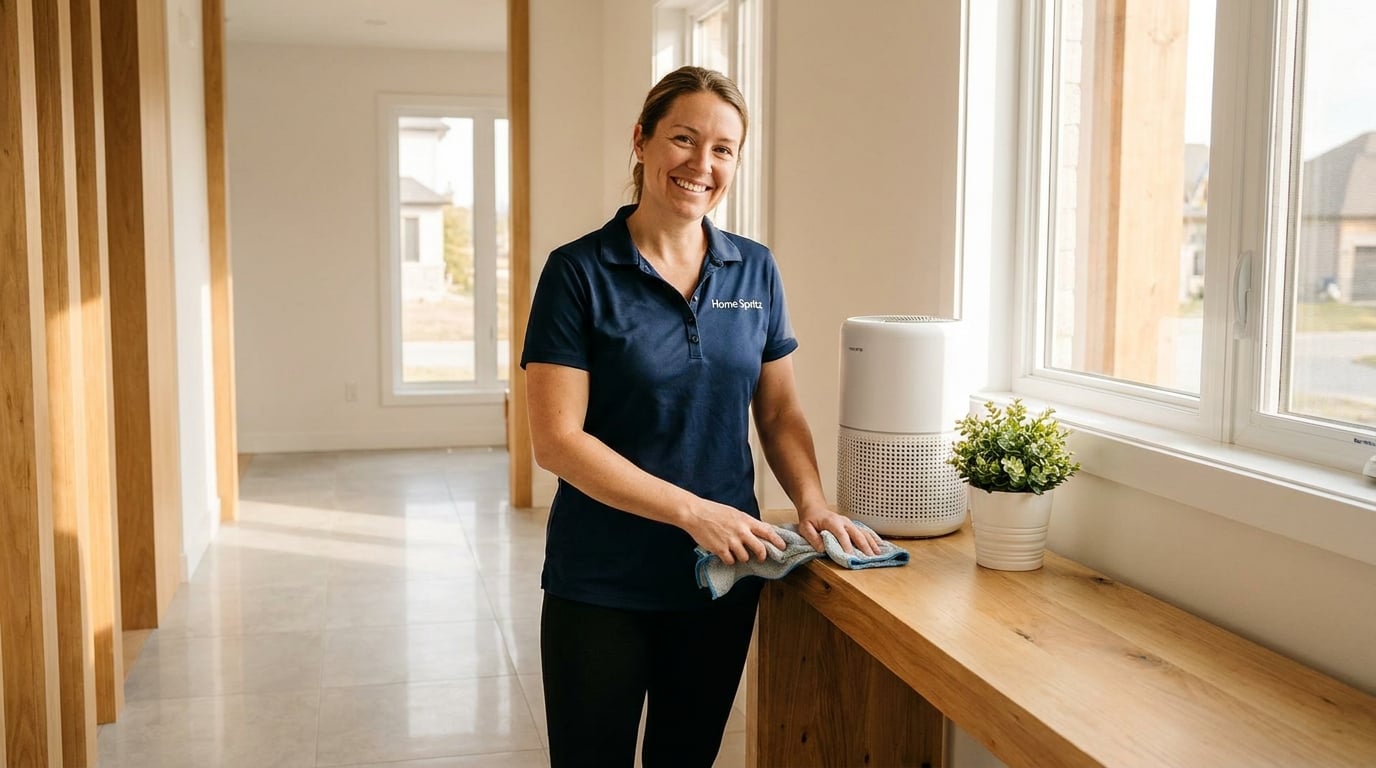
Constant sneezing, itchy eyes, and waking up congested aren’t just minor inconveniences; they are frustrating signs that microscopic allergens have infiltrated your safe haven. In Ottawa, where fluctuating seasons mean homes are often sealed tight against the bitter winter chill or sticky summer heat, indoor air quality can quickly plummet, trapping dust mites, pet dander, and pollen in every room and causing endless frustration for allergy sufferers. Fortunately, by implementing targeted, consistent cleaning methods tailored to our unique Canadian climate, you can drastically reduce household allergens in Ottawa and finally breathe easy in your own home.
- Implement strategic damp-dusting and HEPA-filtered vacuuming to actively trap and remove Ottawa’s seasonal indoor allergens, rather than just sweeping them back into the air you breathe.
- Adopt minimalist, asthma-safe cleaning solutions—such as using a damp microfiber cloth with plain water for cupboards and a single drop of Dawn dish soap for floors—to avoid triggering chemical sensitivities.
- Keep indoor humidity balanced between 30% and 50% year-round to stop dust mites and mold from thriving during extreme National Capital Region weather shifts.
How Are Ottawa’s Seasonal Indoor Allergens Affecting Your Family’s Health? (Managing Pollen and Dust Mites)
Living in the National Capital Region offers beautiful, distinct seasons, but those seasonal shifts can wreak havoc on indoor air quality. During our long, freezing winters, residents naturally keep windows tightly shut and crank up the central heating. This creates a highly insulated, sealed environment where indoor allergens—such as dust mites, pet dander, and volatile organic compounds (VOCs)—cannot escape. When the weather finally warms up and spring arrives in full force, tree and grass pollen quickly coat windowsills, entryways, and soft furnishings.
When these microscopic particles accumulate, they trigger the body’s immune system, leading to allergic rhinitis, asthma flare-ups, and general respiratory discomfort. The key to taking back control of your indoor environment is proactive management. Rather than waiting for dust to become visible, you must treat allergen reduction as an ongoing maintenance task. It is vital to understand that simply moving dust around is not enough; the goal is outright removal. By adopting comprehensive hypoallergenic housekeeping tips for Ottawa households, you can create a safe, breathable sanctuary for your family regardless of what the weather is doing outside.
Managing these allergens begins at your home’s entryways. Pollen and outdoor mold spores hitch a ride on shoes, jackets, and pet paws. Establishing a strict “no-shoes” policy indoors and wiping down your pets’ paws after walks along the Rideau Canal can significantly cut down the volume of allergens entering your living spaces. Pair this habit with regular replacement of your HVAC system’s air filters—ideally using filters with a high MERV rating—to catch airborne particles before they circulate through your vents.
What Are the Most Effective Dusting and Vacuuming Routines? (Strategic Cleaning to Remove Pet Dander and Dust)
If you are relying on traditional feather dusters or dry sweeping to clean your home, you are likely making your allergy symptoms worse. Dry dusting simply agitates settled allergens, launching them back into the air where they can be inhaled for hours before settling again. To actually reduce household allergens in Ottawa, you need a strategic, top-to-bottom cleaning routine focused on trapping particles.
The most effective strategy is damp-dusting. Start at the highest points in the room—such as ceiling fans, crown molding, and the tops of bookshelves—and work your way down. This ensures that any dust that falls is eventually captured when you clean the lower surfaces. When it comes to cleaning solutions, simplicity and safety are paramount. Strong, harsh chemicals can irritate the respiratory tract, mimicking or worsening allergy symptoms. For wiping down your cupboards and walls, all you need is plain warm water on a damp microfiber cloth. Microfiber is incredibly effective at grabbing and holding onto microscopic dust mites and pollen without the need for irritating sprays.
For your hard surfaces, particularly floors and kitchen counters, it is crucial to avoid leaving sticky chemical residues that actually attract more dust. The Home Spritz golden rule for these areas is simple: mix just one drop of Dawn dish soap with warm water. This ultra-gentle solution cuts through grime, lifts dirt, and leaves your hardwood, tile, and stone surfaces perfectly clean without damaging the finish or triggering sensitivities. It is also a core component of eco-friendly cleaning solutions for Ottawa homes.
When you are ready to address the floors, your vacuum cleaner is your most important tool. Ensure you are using a vacuum equipped with a True HEPA (High-Efficiency Particulate Air) filter. A HEPA filter traps 99.97% of particles that are 0.3 microns or larger, ensuring that pet dander, pollen, and dust mite feces are securely locked inside the machine rather than exhausted back into the room. Vacuum carpets, rugs, and hard floors at least twice a week if you have pets or severe allergies, paying special attention to high-traffic areas and the spaces underneath furniture where dust bunnies congregate.
Remember our mandatory rules regarding stronger cleaning agents: never use bleach for general surface cleaning; it is strictly reserved for toilet bowls. The fumes from bleach are a severe respiratory irritant. Similarly, while vinegar is popular in DIY cleaning, it is highly acidic and should only be used to treat hard water mineral scale. Never use vinegar on natural stone or hardwood floors, as it will strip the finish and dull the surface over time.
How Do You Remove Allergens from Bedding and Textiles? (Essential Washing Tips for Fabrics)
We spend roughly a third of our lives in our beds, making the bedroom a primary battleground for allergen control. Dust mites thrive in the warm, slightly humid environment of our mattresses, pillows, and heavy blankets. To combat this, you must wash all bedding—including sheets, pillowcases, and duvet covers—at least once a week.
To effectively kill dust mites and wash away their allergy-inducing byproducts, launder your bedding in hot water. If your delicate fabrics cannot withstand hot water, ensure you run them through a hot dryer cycle for at least 15 to 20 minutes. Consider investing in high-quality, zippered allergen-proof encasements for your mattresses and pillows. These tightly woven covers create an impenetrable barrier that prevents dust mites from taking up residence in the deeper layers of your bedding.
Don’t neglect the other textiles in your home. Heavy drapery, fabric blinds, decorative throw pillows, and plush area rugs act as massive filters, trapping airborne allergens over time. Opt for washable curtains or easy-to-wipe blinds when possible, and ensure your area rugs are regularly beaten outdoors and vacuumed meticulously. If you are struggling to keep up with the deep cleaning of these challenging textiles, bringing in professionals for thorough house cleaning Ottawa services can help reset your home’s baseline cleanliness.
Why Is Maintaining Consistent Indoor Humidity Crucial? (Controlling Mold and Mildew in the Capital)
Ottawa’s extreme climate variations make humidity control a unique challenge, but it is an absolute necessity for allergen reduction. Dust mites and mold spores—two of the most common and aggressive indoor allergens—thrive in high-humidity environments. Conversely, air that is too dry can irritate the mucous membranes in your nose and throat, making you more susceptible to airborne irritants.
The ideal indoor humidity level is between 30% and 50%. During Ottawa’s muggy summers, indoor humidity can easily creep above 60%, especially in basements. At this level, mold begins to grow rapidly on drywall, wood, and fabrics, while dust mites multiply exponentially. To prevent this, run a high-capacity dehumidifier in damp areas and ensure your air conditioning is functioning efficiently to pull excess moisture out of the air. When cleaning areas prone to moisture, such as bathrooms, always run the exhaust fan during and for at least 30 minutes after bathing.
During the freezing winter months, indoor heating systems strip moisture from the air, dropping humidity levels well below 30%. This bone-dry air allows dust and pet dander to remain airborne for much longer periods. Using a humidifier can help balance the air, but it comes with a strict caveat: humidifiers must be cleaned rigorously. If left unmaintained, a humidifier can quickly become a breeding ground for bacteria and mold, spraying these new allergens directly into the air you breathe. Always follow the manufacturer’s instructions for cleaning your humidification system, and rely on hygrometers (inexpensive indoor humidity monitors) placed in key rooms to keep your home’s moisture levels perfectly balanced year-round.
Frequently Asked Questions About Reducing Household Allergens in Ottawa
How Often Should I Vacuum to Reduce Allergens in My Ottawa Home?
For a home in Ottawa, especially during peak allergy seasons or if you have pets, you should aim to vacuum high-traffic areas and bedrooms at least twice a week. Ensure you are using a vacuum with a HEPA filter to trap microscopic dust mites and pet dander. For less frequently used rooms, a thorough weekly vacuuming is generally sufficient to keep allergens under control.
Can I Use Vinegar to Clean My Hardwood Floors and Reduce Dust?
No, you should never use vinegar on your hardwood floors. Vinegar is highly acidic and will dull, etch, or completely strip the protective finish off of hardwood and natural stone over time. Vinegar should only be used to dissolve hard water mineral scale (such as around a showerhead). For effectively cleaning floors and reducing dust without damage or chemical residue, use one single drop of Dawn dish soap mixed into a bucket of warm water.
What is the Best Way to Clean Walls and Cupboards Without Triggering Chemical Allergies?
The safest, most hypoallergenic way to clean your walls and cupboards is to use plain warm water on a damp microfiber cloth. Microfiber is engineered to trap and lift dirt, dust, and pollen mechanically, completely eliminating the need for harsh, heavily fragranced chemical sprays that can trigger asthma or allergic reactions. Just remember to use a damp cloth, as a dry cloth will only push the dust back into the air.