
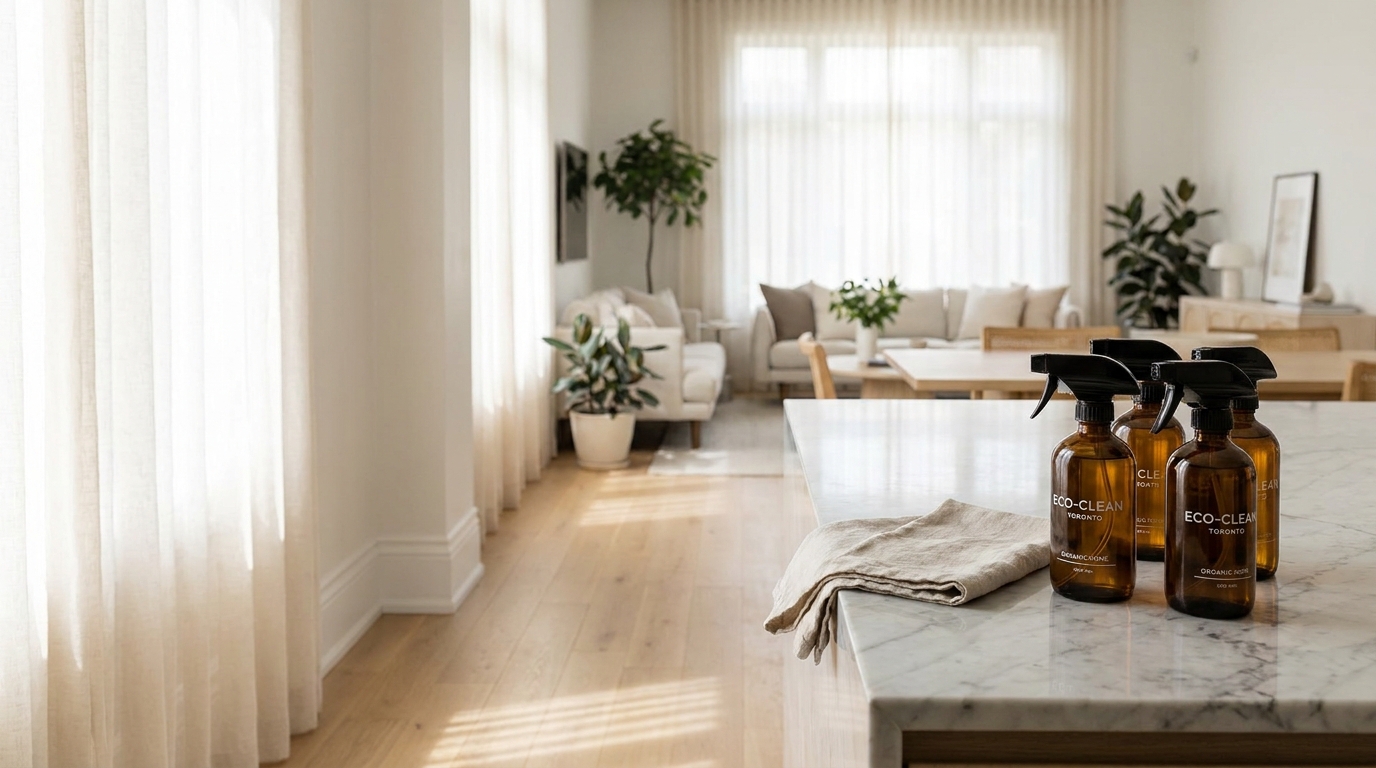
Bending down to scrub dirty trim is often the most dreaded chore for homeowners, leaving living room baseboards to quietly accumulate layers of unsightly grime over the months. When left ignored, this sticky accumulation of pet dander, dead skin cells, and urban pollution not only degrades your home’s indoor air quality but makes your otherwise spotless spaces feel neglected and unkempt. The good news is that tackling the task of cleaning living room baseboards in Toronto doesn’t require harsh chemicals or back-breaking labor; by using a simple two-step dry-to-wet method and the right microfiber tools, you can restore your home’s pristine edges in record time.
Key Takeaways
- Start with a thorough dry vacuuming using a soft brush attachment to lift away loose dirt and pet hair before introducing any moisture.
- Avoid harsh chemical sprays or soaps; plain warm water on a damp microfiber cloth is the safest, most effective way to wipe down painted baseboards.
- Prevent permanent scuff marks by maintaining a regular edge-cleaning schedule and implementing a no-shoes policy in your living areas.
Why Do Living Room Baseboards Collect Such Heavy Dust in Toronto Homes?
If you have ever looked down and wondered how your baseboards became so filthy, you are not alone. Baseboards are architecturally designed to cover the joint between your wall and the floor, meaning they naturally protrude from the flat surface of your wall. This creates a tiny, continuous shelf that wraps around your entire living room. In a bustling urban environment like Toronto, this architectural feature becomes a magnet for airborne particulate matter. Every time you open a window to let in the breeze, microscopic street dust, pollen, and construction debris float into your home and eventually settle right onto that narrow ledge.
Furthermore, Toronto’s distinct four-season climate plays a massive role in baseboard dust accumulation. During the long winter months, we rely heavily on central heating systems. Forced-air furnaces circulate air rapidly, tossing pet hair, clothing fibers, and dead skin cells throughout the room. The dry winter air also creates static electricity, which practically glues these particles to your painted wooden trim. If managing this constant buildup feels impossible alongside a demanding career, our Toronto house cleaning guide for busy professionals offers excellent strategies for maintaining your space without sacrificing your precious free time. Ultimately, understanding that your living room baseboards are the final resting place for indoor air pollution explains why they need targeted attention.
What Is the Best Method for Vacuuming Along the Edges First? (The Dry Cleaning Phase)
The single biggest mistake homeowners make when cleaning living room baseboards in Toronto is attacking dusty trim with a wet rag right away. If you introduce moisture to a thick layer of dust, you are essentially creating mud. This mud will smear across your white paint, push deep into the crevices, and make the cleaning process infinitely more frustrating and time-consuming. To avoid this, you must always begin with the dry cleaning phase: vacuuming along the edges first.
Equip your vacuum cleaner with the soft bristle brush attachment. This tool is specifically designed to agitate and lift dust without scratching delicate painted surfaces. Walk the perimeter of your living room, running the brush directly over the top ledge of the baseboard. For corners or tight spaces behind living room sofas and media consoles, switch to the crevice tool to suck up trapped pet hair and cobwebs. This dry phase removes roughly eighty percent of the debris. Not only does this step protect your paint from abrasive scrubbing, but it also saves your back; using a vacuum extension wand means you can clean the majority of your baseboards while standing comfortably upright.
How Should You Wipe Baseboards with a Damp Microfiber Cloth? (Why Plain Warm Water is Best)
Once the loose debris has been vacuumed away, it is time to address the sticky, adhered grime that vacuuming leaves behind. At Home Spritz, we adhere to strict, surface-safe cleaning protocols. While we recommend using 1 drop of Dawn dish soap mixed with warm water for hard floors and countertops, vertical painted surfaces like cupboards, walls, and baseboards require a much gentler approach. The absolute best method for washing your baseboards is using a high-quality microfiber cloth dampened with plain warm water.
You do not need heavy detergents, degreasers, or multi-surface sprays. Microfiber technology features millions of microscopic fibers that physically lift and trap dirt, grease, and bacteria without the need for chemical assistance. Simply submerge your cloth in warm water, wring it out until it is barely damp, and wipe along the length of the baseboard. This chemical-free approach ensures you will not strip the paint, leave behind sticky soapy residues that attract more dust, or introduce volatile organic compounds (VOCs) into your living room. This method perfectly aligns with our dedication to providing eco-friendly cleaning services in Toronto and the GTA, ensuring your home remains a safe, non-toxic environment for your family and pets.
How Can You Prevent Permanent Scuff Marks on Your Living Room Baseboards?
While dust is easily wiped away, scuff marks can make your living room baseboards look permanently damaged. Scuffs typically happen when shoes, vacuum cleaner heads, or pieces of furniture rub forcefully against the painted trim, transferring rubber or taking off a microscopic layer of paint. Preventing these marks is much easier than trying to remove them later.
First, implement a strict no-shoes policy in your living room. Outdoor footwear is the primary culprit for black rubber streaks along hallway and living area baseboards. Second, when vacuuming the floors, be mindful of the vacuum head. If your vacuum is prone to banging into the walls, consider applying a strip of adhesive felt to the bumper of the vacuum to soften the impact. Finally, ensure that your living room furniture—such as heavy armchairs, bookshelves, and side tables—is pulled at least an inch or two away from the wall. This small gap prevents the furniture from rubbing against the baseboard when people sit down or when the house naturally vibrates. If you do notice a light scuff, gently rub it with your damp microfiber cloth. Remember our mandatory rule: bleach is strictly for toilet bowls only, and should never be used on baseboards to try and bleach out a scuff mark, as it will instantly destroy the paint finish.
Frequently Asked Questions About Cleaning Living Room Baseboards in Toronto
Maintaining the finer details of your home can feel like a full-time job. If you are struggling to keep up with chores and are curious about outsourcing, reviewing the house cleaning cost in Toronto for 2026 can help you see how affordable reclaiming your weekends can be. In the meantime, here are some common questions we get about keeping living room trim spotless.
What is the safest cleaning solution for painted living room baseboards?
The safest and most effective solution is plain warm water used with a damp microfiber cloth. Painted walls and baseboards do not require soaps, detergents, or heavy chemicals. Microfiber is uniquely designed to lift dirt mechanically, leaving your baseboards spotless without risking chemical damage or leaving a sticky residue behind.
Can I use vinegar to clean my baseboards?
No, you should never use vinegar for general surface dusting or baseboard cleaning. Vinegar is a highly acidic substance reserved exclusively for breaking down hard water mineral scale (such as on shower glass). Using vinegar on painted wood baseboards can degrade the paint finish over time, and if it drips, it can seriously damage adjacent hardwood or natural stone flooring.
How often should Toronto homeowners clean their baseboards?
For optimal indoor air quality and aesthetic upkeep, you should dry vacuum your living room baseboards with a brush attachment every two weeks. The wet wiping phase with a damp microfiber cloth only needs to be done once every month or two, depending on whether you have shedding pets or live in a highly trafficked area of the city.