
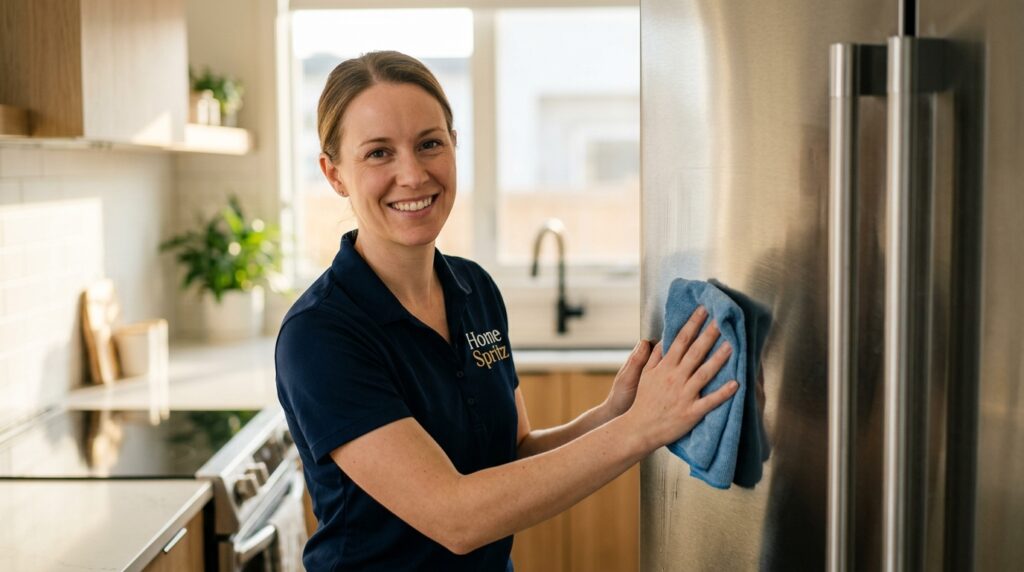
You have just wrapped up a rigorous, deep clean of your kitchen. The counters are clear, the floors are mopped, and the sink is sparkling. But as you step back to admire your hard work, your heart sinks. Your gleaming new refrigerator and dishwasher are covered in cloudy, oily streaks. It is incredibly frustrating to put in immense physical effort only to be left with appliances that somehow look smudgier than when you started. Nothing ruins the aesthetic of a beautiful, modern Canadian home quite like fingerprint-laden, streaky metal surfaces that seem to magically trap every bit of grease and dust from the room.
If you have tried everything from rough paper towels to generic multi-purpose sprays, only to find the streaks returning instantly the moment a pet or child brushes past, you are certainly not alone. Thousands of homeowners struggle with this exact issue because cleaning these delicate surfaces requires a highly specific, gentle approach. The good news is that achieving that perfect, showroom-ready shine is completely within your reach once you understand a few key industry secrets.
As Canada’s trusted, premier residential cleaning experts, Home Spritz is here to guide you through the process. We are passionate about giving busy Canadian families back their free time, and part of that mission involves sharing the exact professional techniques our expert, vetted cleaners use every day in homes across Calgary, Edmonton, Vancouver, and Toronto. In this comprehensive guide, we will walk you through exactly how to clean stainless steel appliances without streaks, ensuring your kitchen remains the flawless, welcoming heart of your home.
Why You Must Always Wipe Parallel to the Brushed Grain
The single most important secret to a streak-free finish lies in understanding the anatomy of your appliances. Stainless steel is an incredibly durable alloy typically composed of iron, chromium, and nickel. During the manufacturing process, the metal is brushed to give it a muted, elegant reflection rather than a harsh, mirror-like glare. This brushing process leaves behind microscopic grooves, creating a “grain” that is remarkably similar to the grain you would find in a piece of fine hardwood furniture.
If you look very closely at the exterior of your refrigerator, stove, or dishwasher, you will be able to see faint lines running either horizontally or vertically across the surface. When you wipe perpendicular to these lines, or if you scrub in circular motions, your cloth pushes dirt, grease, and liquid cleaning agents deep into those microscopic valleys. Because the cloth cannot properly sweep the moisture out of the grooves, the liquid sits there and dries, resulting in highly visible, cloudy streaks. By identifying the direction of the grain and strictly wiping parallel to it, you naturally lift the dirt up and away from the surface. When you are learning how to clean stainless steel throughout your entire house, from your custom range hood to your toaster, this golden rule of wiping with the grain is your first line of defense against stubborn smudges.
Safe Microfiber and Dedicated Cleaner Methods
Once you have identified the grain, the next step is choosing the right tools. Never use paper towels on your premium kitchen appliances. Paper towels are surprisingly abrasive, and they leave behind tiny particles of lint that stick to residual moisture, compounding the streaky appearance. Furthermore, harsh scouring pads will permanently scratch the delicate chromium layer of the metal. Instead, you must use high-quality, plush microfiber cloths. Microfiber is engineered with thousands of tiny, highly absorbent fibers per square inch, allowing it to effortlessly trap grease, water, and debris without leaving a single trace of lint behind.
When it comes to cleaning solutions, less is often more. The market is saturated with heavily scented, highly chemical appliance sprays, but you must be cautious about what you introduce into areas where your family prepares food. Health Canada advises consumers to carefully read product labels and practice the safe use of household chemical products, such as cleaning liquids, to prevent unintentional exposure to harsh compounds. Because of these safety considerations, many Canadian families and professional cleaners prefer a gentle, highly effective DIY approach.
Simply mix a few drops of a premium, grease-cutting liquid dish soap into a bowl of warm water. Dip a clean microfiber cloth into the soapy water, wring it out until it is only slightly damp, and wipe the appliance down, following the grain. The dish soap acts as a gentle surfactant, lifting the oily residue of cooking grease and fingerprints without relying on aggressive chemicals. After the initial pass, rinse your cloth thoroughly with plain hot water, wring it out again, and do a second pass to remove any lingering soap residue. Leaving soap on the surface is a primary cause of a cloudy finish.
Kitchen appliances often feature beautiful dual materials, such as an oven equipped with a large glass viewing window. While you are carefully polishing the steel exterior, it is equally important to maintain the transparent components. Taking a few moments to learn how to clean inside oven glass without scratches will seamlessly complete the immaculate, brand-new look of your stove.
Removing Smudges and Fingerprints
Cleaning the surface removes the dirt, but buffing the surface is what permanently eliminates the streaks and prevents future fingerprints. This is the crucial final step that many homeowners skip. Once your appliance is clean and completely dry, take a second, entirely dry microfiber cloth. Apply a minuscule amount of pure mineral oil, baby oil, or even a drop of olive oil directly to the cloth—never apply the oil directly to the appliance.
Gently buff the surface, moving strictly with the grain. The oil acts as a polish, filling in the microscopic brushed grooves and creating a subtle, invisible protective barrier. This barrier actively repels the natural oils from human skin and causes water spots to bead up and roll off rather than drying into a stain. Use a very light hand; applying too much oil will turn your refrigerator into a sticky dust magnet. A perfectly buffed finish will look vibrant, streak-free, and brilliantly shiny.
Daily Maintenance Tips
Restoring a heavily soiled, streaky appliance takes dedicated effort, but maintaining a streak-free shine requires only seconds a day. Implementing a few simple, daily habits will keep your kitchen looking professionally managed all week long.
- Wipe Spills Immediately: Do not let acidic food splatters, such as tomato sauce or lemon juice, sit on the metal. The acid can eat through the protective chromium layer and cause permanent discoloration.
- Daily Handle Buffing: The handles of your fridge and dishwasher take the most abuse. Keep a dedicated dry microfiber cloth in a kitchen drawer and give the handles a quick, five-second buff at the end of the night to wipe away the day’s fingerprints.
- Avoid Cross-Contamination: Never use the same sponge or cloth you used to wipe your countertops or sink on your appliances. You will simply transfer food grease and harsh chemicals onto the metal.
Proper maintenance does more than just preserve your kitchen’s visual appeal; it protects your financial investment. According to the Canada Mortgage and Housing Corporation (CMHC), implementing a sound maintenance program is a cornerstone requirement if you want to realize the maximum benefits of energy and water efficiency measures for your major appliances. Keeping seals clean and surfaces free of heavy grime ensures the equipment operates optimally.
Of course, cooking a large family meal can create a mess that extends far beyond your appliances. If you are dealing with aggressive stovetop splatters, you might notice your surrounding kitchen walls need some serious love as well. To ensure your entire cooking space looks revitalized, discover how to clean your painted walls without damaging the paint.
At Home Spritz, we deeply understand that between demanding careers, children’s activities, and social commitments, finding the time or energy to maintain a perfect home is incredibly difficult. That is exactly why our service exists. Home Spritz connects you with top-tier, highly vetted local cleaners who utilize these professional techniques on every single visit. By choosing Home Spritz, you are investing in peace of mind, knowing your home will receive consistent, exceptional care without adding a single task to your mental load.
FAQ
Can I use vinegar to clean stainless steel appliances?
Yes, but with caution. White vinegar is a fantastic, natural degreaser. You can spray a light mist of diluted white vinegar onto the surface and wipe it away with a microfiber cloth following the grain. However, vinegar is highly acidic. You must ensure you buff the surface completely dry afterward. Leaving acidic moisture sitting on the metal for prolonged periods can eventually degrade the finish and lead to minor pitting or dullness.
Why does my stainless steel look cloudy after cleaning?
A cloudy finish is almost always the result of leftover product residue. If you use too much dish soap, an excessive amount of commercial cleaning spray, or heavily saturated wipes, the chemical agents remain on the surface after the water evaporates. This forms a dull, white, or cloudy film. Always do a final rinse pass with a clean, damp cloth utilizing only warm water, followed by a thorough dry buffing.
Is Windex or glass cleaner safe for stainless steel?
While many people reach for glass cleaners to remove streaks, standard formulas containing high levels of ammonia should generally be avoided. Ammonia is a harsh chemical that can strip the protective finish off your appliances over time, leading to premature aging and a dull appearance. If you choose to use a glass cleaner, ensure it is specifically labeled as an ammonia-free formula, and always use a microfiber cloth instead of paper towels.
How often should I hire a professional cleaning service for my kitchen?
For optimal maintenance and hygiene, we recommend scheduling a professional cleaning service on a bi-weekly basis. A bi-weekly schedule ensures that grease, dust, and grime never have the opportunity to build up and permanently bond to your appliance surfaces, cabinetry, or floors. Home Spritz offers flexible, seamlessly integrated scheduling that works around your family’s busy life, ensuring your Canadian home remains an immaculate sanctuary week after week.