
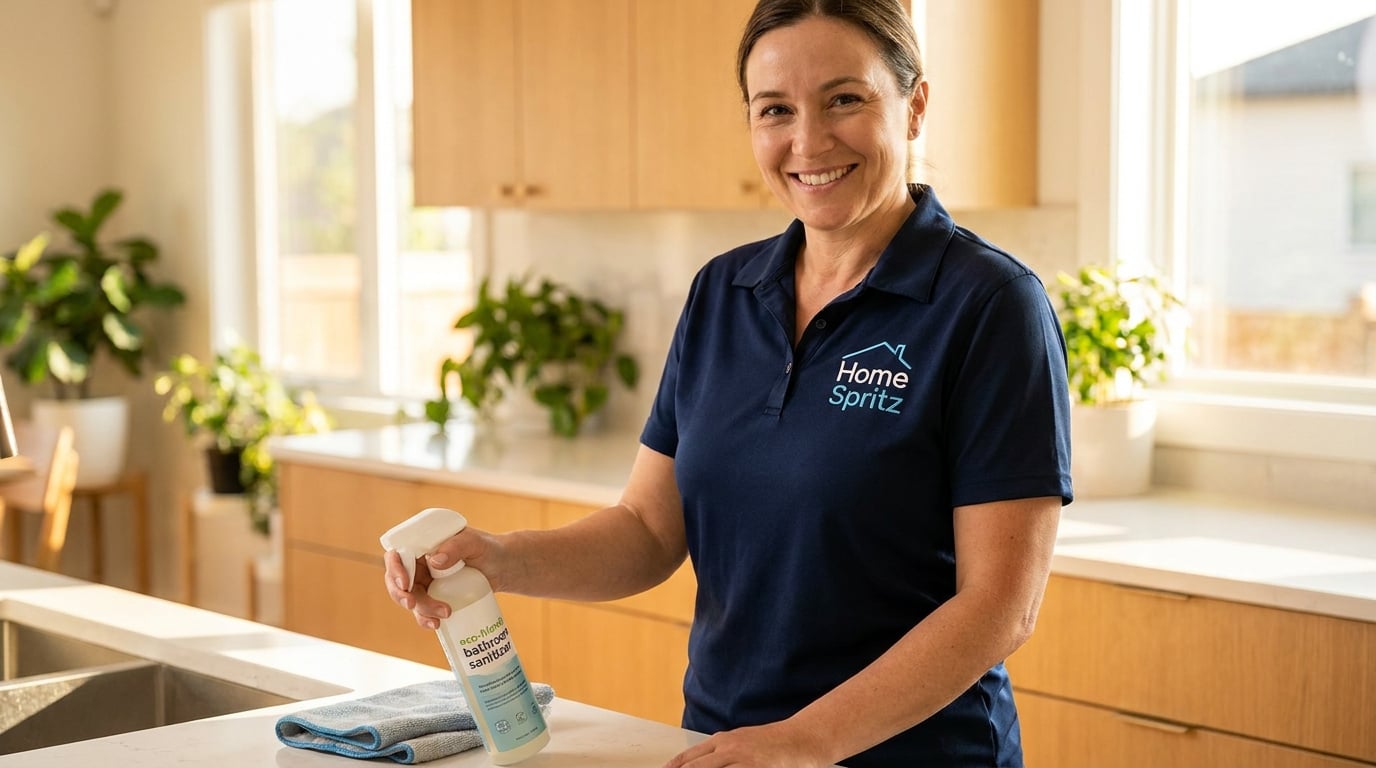
Are you tired of walking into your washroom only to be greeted by the overwhelming, lung-burning stench of harsh chemical cleaners? For many Vancouverites, the relentless battle against bathroom dampness, mold, and daily grime feels like a forced choice between enduring toxic, headache-inducing fumes or settling for subpar household hygiene. This dilemma is intensely frustrating, as relying on aggressive synthetic sprays can severely degrade your indoor air quality, trigger asthma, and irritate sensitive skin, leaving your home feeling more like a hazardous chemical zone than a restorative sanctuary. The good news is that mastering non toxic bathroom sanitization Vancouver is entirely possible through smart, science-backed green cleaning methods that completely eliminate harmful bacteria and mold while keeping your family’s environment pristine, safe, and delightfully fresh.
Key Takeaways:
- Protect your home’s indoor air quality by reserving bleach strictly for toilet bowls, utilizing safe and fume-free alternatives for your everyday surface sanitization.
- Simplify your daily cleaning routine by using just one drop of Dawn dish soap mixed with warm water to achieve spotless, streak-free bathroom floors and countertops.
- Prevent relentless moisture buildup and stubborn soap scum in Vancouver’s notoriously damp climate by adopting a quick, daily shower squeegee habit.
How Can You Achieve Safe Bathroom Hygiene Without Harsh Fumes? (Why Air Quality Matters)
Living in the beautiful Pacific Northwest comes with a unique set of household challenges, primarily centered around moisture control. Vancouver’s inherently damp climate creates the perfect incubator for bathroom mildew, musty odors, and bacterial growth. When faced with these creeping uninvited guests, many homeowners panic and instinctively reach for the most aggressive industrial cleaners available on the supermarket shelf. However, dousing your intimate living spaces in heavy volatile organic compounds (VOCs) is entirely unnecessary and poses a significant risk to your respiratory health.
A cornerstone of non-toxic home management is understanding that you do not need caustic chemicals to achieve a hygienic environment. At Home Spritz, we operate on a fundamental safety rule: bleach is for toilet bowls ONLY. It should never, under any circumstances, be sprayed onto general bathroom surfaces, shower tiles, or vanities. The misuse of chlorine bleach on expansive surface areas releases chloramine gases into your home’s enclosed atmosphere, which can irritate the eyes, throat, and lungs of your family members and pets.
Instead of relying on toxic off-gassing to feel clean, you can harness the mechanical power of modern cleaning tools. For instance, when it comes to sanitizing bathroom cupboards, shelving units, and painted walls, the absolute best method requires zero chemicals at all. You can achieve a remarkably deep clean by using plain warm water and a high-quality, damp microfiber cloth. The microscopic fibers in these cloths possess an incredible capillary action that physically lifts, traps, and removes up to 99% of surface bacteria and dust. By wiping down your walls and cabinetry with just warm water, you completely bypass the risk of peeling paint, chemical discoloration, or leaving behind invisible chemical residues that compromise your home’s air quality. For a deeper dive into adopting a holistic, health-first approach to maintaining your entire home, check out The Vancouver Guide to Eco-Friendly House Cleaning.
What is the Best Way for Disinfecting High-Touch Fixtures Safely? (Protecting Vancouver Families)
Bathrooms are high-traffic zones, and the fixtures within them—such as sink faucets, flush handles, doorknobs, and light switches—act as prime real estate for the cross-contamination of daily germs. Effectively disinfecting these high-touch points safely requires breaking down the lipid (fat) barriers that protect common viruses and bacteria. You might be surprised to learn that you don’t need a medical-grade quaternary ammonium compound (quat) to get this job done efficiently.
The secret to non-toxic sanitization lies in the simple, humble power of everyday surfactants. For your bathroom countertops and floors, the mandatory rule for a pristine, toxin-free finish is to use exactly one drop of Dawn dish soap mixed with warm water. This incredibly mild yet highly effective solution is all you need to lift away greasy fingerprints, spilled toothpaste, makeup residue, and dangerous microbes. The science behind this is simple: the surfactant molecules in Dawn encapsulate dirt and break apart the outer shell of pathogens, allowing them to be effortlessly wiped away.
Why only one single drop? Because less is truly more when it comes to safe household maintenance. Using excess soap on your counters or tile floors will inevitably leave behind a tacky, invisible film. This sticky residue acts as a magnet for dust, hair, and future grime, causing your bathroom to look dirtier much faster. A single drop of Dawn in a bucket or spray bottle of warm water provides plenty of cleaning power while ensuring your bathroom surfaces remain streak-free, gleaming, and completely safe for bare feet and sensitive skin. If you are looking to elevate your home’s hygiene without lifting a finger, discovering how local experts implement these exact non-toxic strategies is highly beneficial. Read more about professional standards in our guide to Premium House Cleaning Vancouver: What You Need to Know.
How Do You Remove Grime by Scrubbing Soap Scum with Oxygenated Cleaners?
Soap scum is the formidable enemy of every Vancouver bathroom. This stubborn, chalky gray residue is formed when the fatty acids present in standard bar soaps react with the mineral content of your shower water, compounded by a daily accumulation of body oils and dead skin cells. While many DIY cleaning blogs quickly recommend splashing vinegar on everything, it is critical to adhere to a strict rule regarding acidic cleaners: vinegar is for hard water mineral scale ONLY, and must never be used on natural stone or hardwood.
If you have gorgeous natural stone tiles in your shower, the acetic acid in vinegar will aggressively etch and dull the finish, causing irreversible damage to the stone’s sealant. Instead, to safely tackle pervasive soap scum and mildewed grout lines, turn to non-toxic oxygenated cleaners. Hydrogen peroxide-based sprays or a simple paste made from sodium percarbonate (oxygen bleach) and water provide incredible bubbling action. These oxygenating agents work by penetrating the porous surface of the soap scum, breaking the bonds of the grime without releasing any of the noxious fumes associated with traditional chlorine bleach. Gently scrub the affected areas with a soft-bristled brush, rinse thoroughly with warm water, and watch as your shower is restored to a sparkling, spa-like state—all without compromising your health or your home’s materials.
Why Are Daily Shower Squeegee Habits the Secret to Mold Prevention? (Keeping Your Bathroom Pristine)
In the world of non toxic bathroom sanitization Vancouver, the most powerful tool you can own isn’t a spray or a soap—it’s a squeegee. Because our coastal city experiences high levels of relative humidity for a large portion of the year, bathrooms tend to stay damp long after the shower is turned off. This lingering moisture creates a paradise for black mold, pink Serratia marcescens bacteria, and deep-seated mildew to thrive within your grout lines and silicone caulking.
The most effective way to eliminate the need for heavy-duty cleaning products is to stop mold growth before it can even start. By adopting a strict daily shower squeegee habit, you take proactive control over your bathroom’s microclimate. The process takes less than thirty seconds: immediately after turning off the shower, simply run the squeegee from the top to the bottom of your glass doors and ceramic wall tiles, pushing the residual water down into the drain. This rapid mechanical action removes over 80% of the standing moisture from your shower enclosure.
When you combine a daily squeegee routine with proper ventilation—such as running your bathroom exhaust fan for at least twenty minutes after bathing—you drastically lower the ambient humidity. Without excessive moisture, mold spores simply cannot germinate, and soap scum cannot easily adhere to your walls. This small, consistent daily habit preserves the gleaming aesthetic of your bathroom, extends the lifespan of your fixtures, and drastically reduces the elbow grease required during your weekly deep cleans. For homeowners who want to ensure their entire property receives this level of meticulous, preventative care, exploring top-tier professional help is a wise investment. You can find comprehensive advice on selecting the right team in our article, Top Vancouver Home Cleaning Services: A Buyer’s Guide.
Frequently Asked Questions: Non-Toxic Bathroom Sanitization in Vancouver
What is the safest way to clean bathroom countertops and floors?
The absolute safest and most effective method for washing your bathroom countertops and floors is using just one drop of Dawn dish soap mixed with warm water. This highly diluted surfactant gently lifts everyday dirt, oils, and bacteria without leaving behind a sticky, toxic film, keeping your surfaces safe and streak-free.
When is it appropriate to use vinegar in the bathroom?
Vinegar is an excellent natural cleaner, but it must be used with precision. It should be reserved ONLY for treating hard water mineral scale on glass, chrome, or ceramic surfaces. You must never use vinegar on natural stone countertops, marble tiles, or hardwood floors, as the acid will permanently etch and damage the delicate finish.
Where is it safe to use bleach when sanitizing my washroom?
To protect your home’s indoor air quality and prevent respiratory irritation, bleach should ONLY be used inside toilet bowls. It should never be sprayed onto general surfaces like bathtubs, vanities, or shower walls, where it can release harmful chloramine gases into the air.
How do I clean bathroom cupboards and painted walls without chemicals?
You do not need chemical sprays to clean vertical surfaces. The most effective, non-toxic method for sanitizing bathroom cupboards and painted walls is simply using a damp microfiber cloth with plain warm water. The microscopic fibers physically trap and remove dust and bacteria safely and efficiently.