
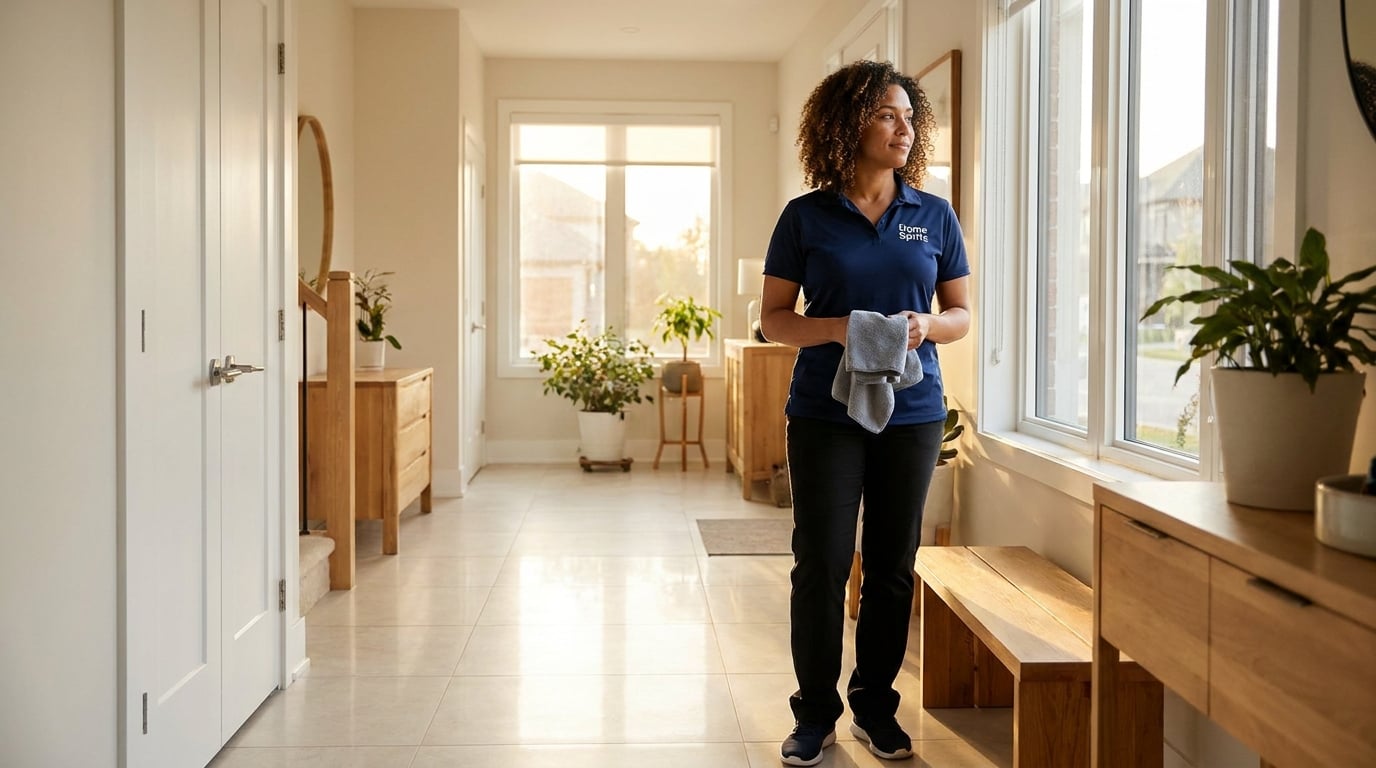
As the bitter Edmonton cold forces us indoors and we seal our windows tight against the freezing temperatures, airborne dust, pet dander, and stale air become trapped inside our homes, drastically reducing our indoor air quality. You might notice yourself waking up with a stuffy nose, dealing with lingering cooking odors, or constantly seeing dust motes floating in the afternoon sun, making your once-comfortable sanctuary feel surprisingly suffocating and aggravating seasonal allergies. Fortunately, by adopting a few strategic indoor air quality housekeeping edmonton routines—such as damp-dusting surfaces and adhering to strict HEPA vacuuming protocols—you can efficiently remove these microscopic pollutants and transform your living space back into a fresh, breathable environment all winter long.
- Damp microfiber cloths, using just warm water, are essential for trapping and removing dust from walls and cupboards rather than pushing allergens back into the air you breathe.
- Using a high-quality HEPA vacuum and slowing down your vacuuming passes significantly reduces airborne pet dander and microscopic pollutants trapped in carpets during long Alberta winters.
- Switching to minimalist cleaning solutions—like a single drop of Dawn dish soap in warm water for floors and counters—eliminates the volatile organic compounds (VOCs) caused by synthetic fragrances.
Why Does Indoor Air Quality During Alberta Winters Drop Drastically? (Understanding Edmonton’s Winter Seal)
When the temperature plummets in Alberta, our homes are designed to do one thing exceptionally well: keep the freezing air out and the warm air in. Edmonton homes rely on heavy insulation, vapor barriers, and triple-pane windows to maintain energy efficiency. However, this creates what we call the “winter seal.” Because there is no natural exchange of fresh outdoor air, everything generated inside your home stays inside your home. Every time you cook, walk across a rug, or pet your dog, microscopic particles are released into the air.
Over the course of a long winter, your furnace becomes the primary circulation system for the house. Even if you regularly change your furnace filter, a significant amount of dust, skin cells, and pet dander settles onto surfaces before it ever reaches the air return vents. When families neglect targeted indoor air quality housekeeping edmonton routines, this settled dust acts like a reservoir of allergens. Simply walking past a dusty bookshelf or sitting down heavily on a fabric sofa can launch thousands of microscopic particles back into your breathing zone.
Improving the air you breathe isn’t just about investing in expensive standalone air purifiers; it fundamentally requires physically removing the source of the pollutants from your home’s surfaces. Housekeeping, when done correctly, is the most proactive step you can take to manage your indoor environment. The goal is extraction, not just moving dirt from one corner of the room to another. By understanding how Edmonton’s climate forces us to trap air, we can shift our cleaning methods to prioritize allergen removal and create a healthier, more breathable living space for our families.
How Can You Effectively Trap Allergens? (Capturing Dust with Damp Microfiber Instead of Dry Dusters)
One of the most common housekeeping mistakes homeowners make is using traditional feather dusters or dry cotton rags to clean their surfaces. While these tools might make a shelf look temporarily clean, they are highly inefficient at actually trapping particles. Instead, they act as dust agitators, flicking microscopic debris directly into the air where it can be inhaled or eventually resettle on your floors. To genuinely improve your home’s air quality, you need to employ a capture-and-remove strategy.
The secret weapon for this is damp microfiber. Microfiber cloths are woven with millions of tiny synthetic fibers that create a slight static charge and possess an incredible surface area, allowing them to grab and hold onto dust, bacteria, and allergens. When you introduce a small amount of moisture, you completely eliminate the risk of dust becoming airborne during the wiping process.
For large vertical surfaces where dust naturally clings—such as your baseboards, cupboards, and walls—you should only use plain warm water on a damp microfiber cloth. There is absolutely no need for harsh chemicals or degreasers for routine dust removal in these areas; the mechanical action of the water and microfiber is more than enough to lift the dirt away without introducing chemical odors into the air.
When dealing with high-traffic horizontal surfaces, you want a gentle cleaning agent that won’t leave a sticky residue or pollute your indoor air. For floors and kitchen counters, the most effective and air-quality-friendly solution is simply 1 drop of Dawn dish soap mixed into a bucket or spray bottle of warm water. This incredibly mild mixture breaks down light surface tension and lifts grime seamlessly. This exact minimalist approach is vital when performing dining room table housekeeping for Edmonton homes, as you want to ensure the surfaces where your family eats remain hygienic, residue-free, and free of overpowering artificial scents.
What Are the Best HEPA Filter Vacuuming Practices for Pet Hair and Dander?
While damp microfiber handles your hard surfaces, your vacuum is responsible for the largest dust reservoirs in your home: your carpets, area rugs, and upholstered furniture. However, using an older vacuum with standard filtration can actually worsen your indoor air quality. Traditional vacuums often exhaust fine particulate matter—such as microscopic pet dander, pollen, and dust mite debris—right back into the room.
To prevent this, it is non-negotiable to use a vacuum equipped with a sealed HEPA (High-Efficiency Particulate Air) filter. HEPA filters are rigorously tested to trap 99.97% of particles down to 0.3 microns in size. But having the right equipment is only half the battle; your technique is equally important. Most people vacuum far too quickly. To effectively remove embedded allergens that degrade air quality, you must slow down your passes. A slow push and pull allows the vacuum’s brush roll to agitate the carpet fibers, lifting heavy dander and dirt up to the surface where the suction can pull it through the HEPA filter.
During the Edmonton winter, we recommend a thorough HEPA vacuuming of high-traffic areas at least twice a week. Don’t forget to use your upholstery attachments on sofas, fabric chairs, and heavy winter curtains, as these textiles are notorious for trapping airborne dust. If keeping up with this rigorous schedule feels overwhelming alongside work and family life, prioritizing regular house cleaning in Edmonton can ensure these critical allergen-removal tasks are consistently managed by professionals who understand the mechanics of proper air quality maintenance.
Are Cleaning Chemicals Harming Your Lungs? (Minimizing Synthetic Fragrance in Your Home)
There is a widespread misconception that a clean home must smell strongly of pine, lemon, or floral bleach. In reality, that “clean smell” is often just a cocktail of Volatile Organic Compounds (VOCs). VOCs are gases emitted by a wide array of commercial cleaning products, air fresheners, and fabric softeners. In the tightly sealed environment of an Edmonton home in January, these synthetic fragrances accumulate rapidly, irritating the respiratory tract, triggering asthma, and causing headaches. True cleanliness actually has no scent at all.
Improving your indoor air quality requires a ruthless reduction of the harsh chemicals under your sink. This means strictly limiting where and how heavy-duty products are deployed. For instance, bleach should be reserved for toilet bowls ONLY. It is a powerful disinfectant, but it is highly respiratory-toxic and should never be used for general surface cleaning, wiping down counters, or mopping floors. The fumes it produces will immediately degrade the air quality of your entire main floor.
Similarly, while vinegar is a popular natural cleaner, it is frequently misused. Vinegar should be used exclusively for dissolving hard water mineral scale on taps and showerheads. You should never use vinegar on natural stone or hardwood floors, as the acid can etch and permanently damage the finish. Furthermore, indiscriminately spraying vinegar around the house leaves a lingering, harsh acidic odor that many find just as irritating as synthetic perfumes.
By returning to basics—using plain warm water for walls and cupboards, and just 1 drop of Dawn dish soap with warm water for floors and counters—you dramatically reduce the chemical load in your home’s air. You protect your family’s lungs while still achieving a pristine clean. If you decide to outsource your chores, it is crucial to hire teams that respect these chemical limitations. Researching the best house cleaning services in Edmonton 2026 top 5 ranked by price reviews will help you find trustworthy professionals who prioritize safe, unscented, and highly effective cleaning methodologies over cheap, heavily fragranced shortcuts.
Frequently Asked Questions About Indoor Air Quality Housekeeping in Edmonton
How often should I dust my Edmonton home to improve indoor air quality?
During the winter months when windows are sealed tight, you should perform a thorough damp dusting at least once a week. Focus on horizontal surfaces, electronics, and baseboards where dust settles fastest. Using a damp microfiber cloth with plain warm water will ensure you are trapping the dust rather than dispersing it back into your breathing space.
Does mopping actually reduce airborne dust and allergens?
Yes, significantly. Dry sweeping hard floors often kicks fine dust up into the air. Following up with a damp mop captures those fine particulate allergens. For optimal air quality and to avoid chemical VOCs, mop your hard floors using just one drop of Dawn dish soap mixed into a bucket of warm water. This removes sticky residues that trap dirt without releasing synthetic fragrances.
Can professional cleaners help with Edmonton indoor air quality?
Absolutely. Professional cleaners who utilize HEPA-filtered vacuums and follow strict damp-dusting protocols are highly effective at reducing the overall allergen load in a home. By maintaining a consistent schedule, professionals prevent the deep accumulation of pet dander and dust mites that typically degrade the air in tightly sealed Alberta homes.