
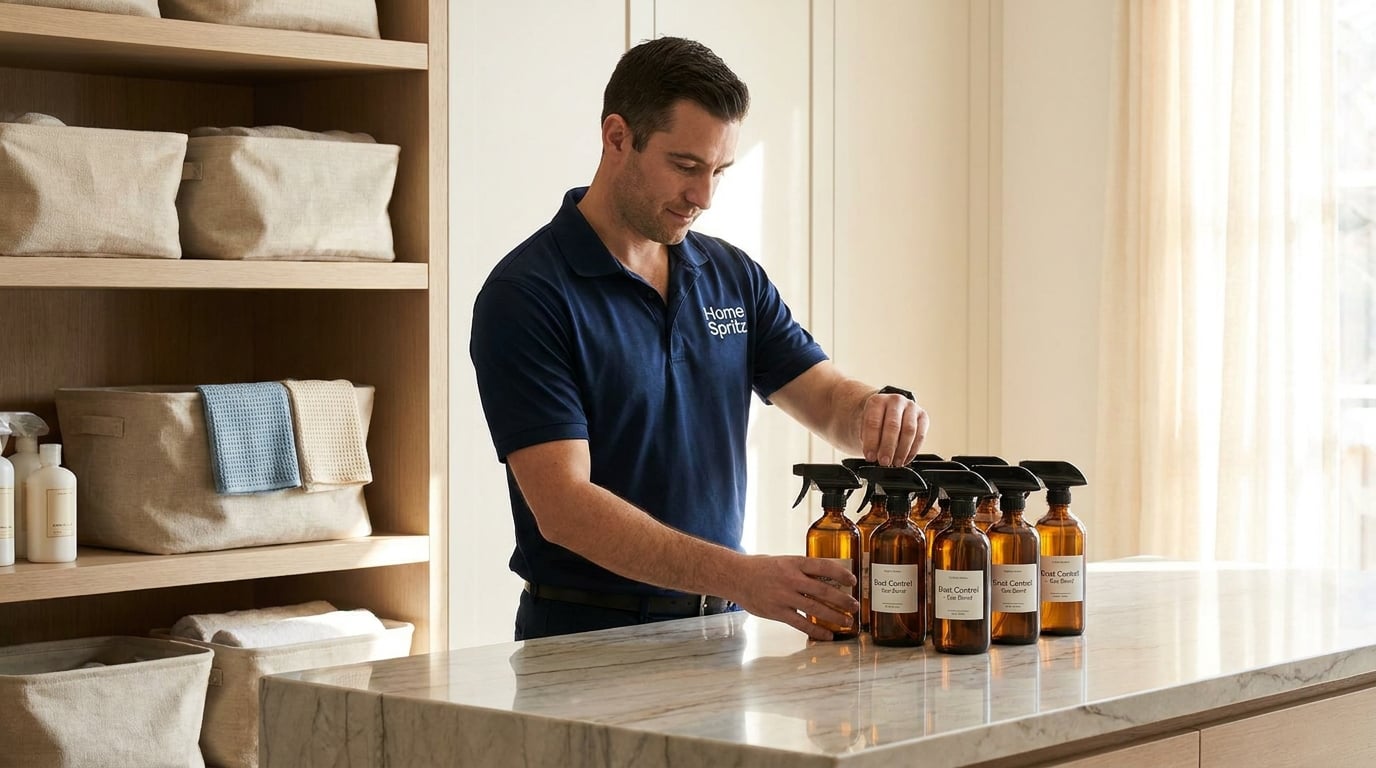
Living in Toronto means enduring endless condo construction, heavy commuter traffic, and shifting seasonal winds that inevitably coat every surface of your home in a stubborn, fine layer of gray dust. No matter how often you wipe down your countertops or living room side tables, a fresh layer always seems to settle before you even put the cleaning cloth away, leaving your space feeling constantly gritty, aggravating indoor allergies, and eating up the precious little free time you have after a long workday. Fortunately, by implementing professional-grade dust control strategies for urban Toronto homes, you can finally break this endless cleaning cycle, trap airborne particulates at their source, and breathe easier in a genuinely clean, healthy environment.
- Implement a top-down damp microfiber dusting routine using plain warm water on walls and cupboards to trap particulate matter without leaving behind sticky chemical residues.
- Establish an aggressive entryway interception zone using dual-mat systems and strict shoe-free policies to prevent outdoor construction debris and traffic smog from entering the home.
- Maintain high-traffic rugs with frequent HEPA vacuuming and mop hard floors using exactly one drop of Dawn dish soap in warm water—strictly avoiding damaging vinegar or harsh bleach.
Why Do Urban Toronto Homes Experience Such Heavy Dust Accumulation? (Understanding the Source)
To effectively combat dust, you first need to understand what you are actually fighting. Toronto is a rapidly growing metropolis, which means our local atmosphere is a complex mixture of organic and inorganic matter. If you live anywhere near the downtown core, the Gardiner Expressway, or major transit expansion projects, your home is constantly bombarded by fine particulate matter. This inorganic dust consists of concrete powder, exhaust particulates, tire rubber, and silica. When combined with organic household dust—like pet dander, pollen drifting in from High Park or the Don Valley, and human skin cells—it creates a heavy, sticky accumulation that traditional dry dusting simply pushes around.
Furthermore, many Toronto homes, from historic Victorian houses in The Annex to modern high-rise condos in CityPlace, struggle with air circulation. Forced-air heating and cooling systems can inadvertently become dust distribution networks if filters aren’t changed regularly. When you factor in the sheer density of urban living, the volume of dust that settles on your baseboards and bookshelves can feel overwhelming. For those juggling careers and family life, managing this constant influx requires a smarter, more targeted approach to housekeeping. Building a strategic routine is essential, as highlighted in our comprehensive Toronto house cleaning guide for busy professionals, which emphasizes efficiency and working with the right tools rather than just working harder.
How Does the Top-Down Microfiber Dusting System Actually Work? (The Professional Approach)
One of the biggest mistakes homeowners make when tackling dust is cleaning surfaces out of order or using the wrong tools. The most effective defense against urban dust is the top-down microfiber dusting system. Gravity is a fundamental factor in house cleaning; whatever you disturb at the ceiling level will inevitably fall to the floor. Therefore, you must always start at the highest points in your room—ceiling fans, crown moldings, and the tops of bookshelves—and work your way down to the counters, furniture, and eventually the baseboards.
The true secret to this system, however, lies in the tools and the cleaning solutions. Dry feather dusters are completely ineffective for Toronto’s sticky urban dust; they merely agitate particulates back into the air. Instead, you must use high-quality, damp microfiber cloths. Microfiber contains millions of tiny fibers that create a positive static charge, grabbing and holding onto negatively charged dust particles.
When executing this top-down method, strict adherence to safe cleaning solutions is critical. For wiping down higher surfaces like cupboards and walls, you should only use plain warm water on a damp microfiber cloth. This gently removes dust without stripping paint or leaving a residue. As you move down to clean your countertops and hard surface floors, the optimal solution is exactly one drop of Dawn dish soap mixed with warm water. This mixture breaks the surface tension to lift grime without leaving a soapy film that attracts more dust. If you are dealing with specialized furniture during your routine, be sure to consult our leather furniture housekeeping dusting guide for Toronto to ensure you are protecting your investments while removing settled debris.
How Often Should I Be Vacuuming High-Traffic Rugs to Stop Dust Spread? (Managing Your Home’s Filters)
Area rugs and carpets act as the largest passive air filters in your home. Every time airborne dust settles, it gets trapped in the fibers of your rugs. While this is great for keeping dust off your hard floors, these “filters” have a maximum capacity. Once a rug is full of dust, every footstep acts like a bellows, shooting a microscopic cloud of dirt back into your breathing air and onto your freshly wiped furniture.
For urban Toronto homes, high-traffic rugs in living rooms and family areas need to be vacuumed at least twice a week using a vacuum equipped with a HEPA (High-Efficiency Particulate Air) filter. A HEPA filter ensures that the fine exhaust dust isn’t just blown back into your room. Areas near the front door or stairs require even more attention. If you are struggling with multi-level dust migration, integrating hallway and stairway dust control strategies into your vacuuming routine is a game-changer for keeping upper-floor bedrooms dust-free.
What Are the Best Entryway Dust Interception Tactics for Busy Families? (Stopping Dust at the Door)
The most efficient way to clean dust is to prevent it from entering your home in the first place. Studies show that up to 80% of the dirt and dust in a home is tracked in from the outside on the bottom of shoes. In a city like Toronto, where winter slush, spring mud, and year-round construction debris are constants, your entryway is the frontline of your home’s defense.
Implementing an entryway dust interception strategy starts with a dual-mat system. Place a heavy-duty, coarse scraper mat outside your front door to catch large debris, and a highly absorbent, washable microfiber mat immediately inside the door to catch fine dust and moisture. Pair this with a strict “shoe-free” policy indoors. Provide a dedicated boot tray and comfortable indoor slippers for family members and guests to make the transition easy.
Because the entryway floor takes the brunt of the heavy particulate matter, it requires frequent damp mopping to prevent that dust from becoming airborne and floating into your kitchen or living room. Remember the golden rule for hard surface floors: use only one drop of Dawn dish soap mixed with warm water. Never use vinegar to mop your stone or hardwood floors, as the acidity will etch the stone and degrade the wood finish over time. Vinegar should be strictly reserved for treating hard water mineral scale around faucets. By controlling the entryway, you drastically reduce the overall dust load circulating through your urban home.
Frequently Asked Questions About Dust Control in Toronto Homes
What is the safest and most effective way to clean dusty hardwood floors?
The absolute best way to clean dusty hardwood floors after vacuuming is to damp-mop them using a solution of exactly one drop of Dawn dish soap mixed with warm water. This provides just enough surfactant to lift the dust without leaving a sticky residue. You must never use vinegar on hardwood or stone floors, as it damages the protective finish.
Does wiping walls and cupboards help reduce overall household dust?
Yes, walls and cupboards hold a surprising amount of static dust. To clean them safely and effectively, use a damp microfiber cloth with plain warm water. This traps the dust without leaving chemical streaks or damaging the paint and cabinet finishes.
Should I use bleach or vinegar to deep clean dusty baseboards and surfaces?
Absolutely not. Bleach is highly corrosive, toxic to breathe, and should be strictly reserved for disinfecting inside toilet bowls only; it is never for general surface dusting. Similarly, vinegar is acidic and should only be used to dissolve hard water mineral scale. For general surfaces, stick to plain warm water or water with a single drop of Dawn dish soap.