
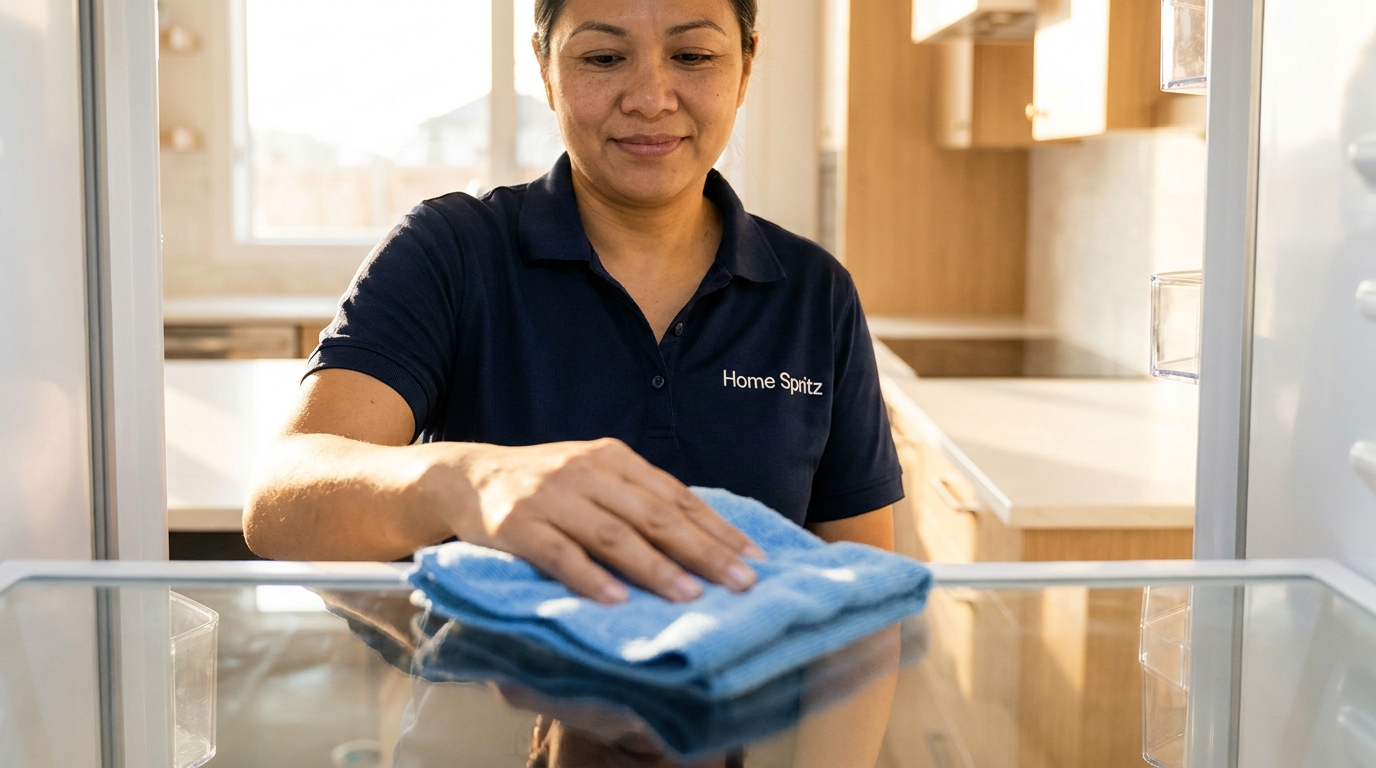
Opening your refrigerator only to be greeted by a sticky mystery puddle or a lingering, unpleasant odor can instantly ruin your appetite and add unnecessary stress to your day. Ignoring these everyday spills not only breeds harmful cross-contamination and creates stubborn, dried-on crusts that seem impossible to scrape off, but it also forces your busy family into a constant battle against foodborne bacteria right where you store your fresh, expensive groceries. Fortunately, mastering the art of cleaning refrigerator shelves in Toronto homes doesn’t require aggressive scrubbing or harsh, toxic chemicals; with just a touch of mild dish soap, warm water, and a few strategic habits, you can quickly restore your fridge to a pristine, food-safe sanctuary.
- Avoid toxic chemicals like bleach near your food; a simple, gentle solution of warm water and a single drop of Dawn dish soap is the safest, most effective method for cleaning glass and plastic shelves.
- Always allow removable glass refrigerator shelves to reach room temperature before washing them to prevent sudden, dangerous shattering caused by thermal shock.
- Maintain a fresh-smelling kitchen environment by utilizing natural odor absorbers like baking soda, strictly avoiding heavily fragranced, artificial cleaning sprays inside your fridge.
Why is Maintaining a Hygienic Refrigerator Essential for Your Family’s Health? (Preventing Cross-Contamination)
The refrigerator is the heart of your kitchen, holding everything from fresh Ontario produce to the leftovers from last night’s dinner. Because it houses raw meats, dairy products, and fresh vegetables in close proximity, the risk of cross-contamination is incredibly high if spills are left unattended. When a package of chicken leaks or a container of milk drips onto a shelf, bacteria such as Salmonella and E. coli can rapidly multiply, even in cold temperatures. These invisible threats easily transfer to your fresh produce, turning a simple snack into a potential health hazard for your household.
For active families navigating the bustling Greater Toronto Area, time is always at a premium, and keeping up with deep kitchen sanitation often falls by the wayside. However, a regular maintenance routine is crucial not just for health, but for protecting the lifespan of your appliances and groceries. A clean, well-organized fridge allows for better air circulation, which helps maintain consistent temperatures and keeps your food fresher for longer. If balancing a demanding career and household chores leaves you little time for these essential tasks, exploring a Toronto house cleaning guide for busy professionals can provide invaluable strategies for delegating and managing your domestic workload without sacrificing your family’s safety.
What is the Safest Way to Wash Fridge Shelves? (Why You Only Need Warm Water and Mild Soap)
When tackling the interior of your refrigerator, less is always more regarding cleaning products. Many homeowners mistakenly believe that aggressive chemicals are necessary to kill bacteria, but this is a dangerous misconception when dealing with food storage zones. As Toronto’s premier cleaning experts, Home Spritz adheres to strict, scientifically backed cleaning rules to guarantee safety and efficacy. For refrigerator shelves, which act much like your kitchen counters, all you need is a simple solution of warm water mixed with exactly one drop of Dawn dish soap. The surfactants in the dish soap are powerful enough to lift grease, loosen food particles, and break down the cell walls of bacteria without leaving behind any toxic residue.
It is vital to explicitly understand what not to use. Never use bleach to clean your refrigerator shelves; bleach is highly toxic, completely unsafe around food surfaces, and should be strictly reserved for toilet bowls. Similarly, avoid using vinegar for standard fridge cleaning. Vinegar is acidic and is intended only for treating hard water mineral scale, not for general food spills or wiping down household surfaces. When you remove your glass shelves to wash them, you must let them sit on the counter until they reach room temperature. Exposing cold glass to warm dishwater causes thermal shock, which can cause the shelf to violently shatter in your hands. While the shelves are safely warming up on the counter, take the opportunity to wipe down the interior walls and built-in compartments of the fridge. For these interior walls and cupboards, skip the soap entirely—use only plain warm water on a clean, damp microfiber cloth to pick up dust and light debris.
Adopting these minimalist, chemical-free approaches not only protects your family’s meals but also aligns beautifully with sustainable living practices. For homeowners looking to expand these safe methodologies throughout their entire living space, partnering with eco-friendly cleaning services in Toronto and the GTA ensures your home is treated with the utmost care and respect for environmental health.
How Do You Remove Stubborn Spills and Sticky Residue Without Scratching Glass? (The Gentle Soak Method)
We have all encountered that mysterious, hardened ring of jam or dried syrup glued to the back of a glass fridge shelf. The immediate instinct is to grab a scouring pad and scrub vigorously, but doing so can easily scratch the tempered glass or damage the plastic trim. Scratches not only look unsightly, but they also create microscopic crevices where future bacteria can easily hide and multiply.
Instead of abrasive scrubbing, utilize the gentle soak method. Once your shelf has safely reached room temperature, dip a soft microfiber cloth into your warm water and one-drop Dawn dish soap solution. Wring it out slightly and lay the warm, damp cloth directly over the sticky residue. Let it sit for about five to ten minutes. The ambient warmth and the targeted moisture will gently rehydrate and soften the hardened sugars in the spill. After a few minutes, simply use the same cloth to wipe the mess away effortlessly. Rinse the shelf thoroughly with clean water and dry it entirely with a fresh microfiber towel before sliding it back into the refrigerator. This guarantees a streak-free, perfectly hygienic finish.
How Can You Eliminate Refrigerator Smells Naturally? (Safe Odor Absorption Methods)
Even a visually spotless refrigerator can occasionally harbor unpleasant smells, especially if you regularly store pungent ingredients like strong cheeses, onions, or leftover fish. To combat these odors, do not resort to chemical air fresheners or scented household sprays. Dispersing artificial fragrances inside a closed, cold environment guarantees that those chemical compounds will settle onto your unprotected fruits, vegetables, and dairy products, severely compromising their taste and safety.
The most effective, expert-approved method for maintaining a neutral-smelling fridge relies on natural odor absorption. A simple, open box of baking soda placed strategically on a back shelf works wonders. Baking soda is naturally amphoteric, meaning it neutralizes both acidic and basic odor molecules floating in the chilled air. For optimal freshness, replace the baking soda box every three months. If you are dealing with particularly stubborn odors, placing a small bowl of dry, fresh coffee grounds in the fridge for a day or two can also act as a phenomenal natural deodorizer. Both methods ensure that your food remains untainted and your appliance smells perfectly clean.
Frequently Asked Questions About Cleaning Refrigerator Shelves in Toronto
Can I use bleach or vinegar to sanitize my refrigerator shelves?
No, you should never use bleach or vinegar for routine refrigerator cleaning. Bleach is highly toxic, completely unsafe for use near food storage, and is strictly reserved for disinfecting toilet bowls. Vinegar is highly acidic and should only be used to treat hard water mineral scale, making it inappropriate and unnecessary for food spills. The safest and most effective standard is a mixture of warm water and a single drop of Dawn dish soap.
Do I need to remove the shelves from the fridge to clean them properly?
Yes. Removing the shelves allows you to properly reach the brackets, seams, and rear edges where crumbs, spilled liquids, and bacteria tend to accumulate unnoticed. Just remember the crucial safety step: always let glass shelves sit on your counter until they reach room temperature before washing them in warm water to prevent thermal shock and shattering.
Are professional cleaning services worth it for deep kitchen sanitation?
Absolutely. Deep cleaning a kitchen—including appliances, baseboards, and cabinetry—requires significant time and energy. Hiring a professional service guarantees that strict, food-safe methodologies are followed, protecting your family’s health while giving you your weekends back. When reviewing the house cleaning cost in Toronto, it is important to factor in the immense value of convenience, expert sanitation, and the peace of mind that comes from knowing your home is in the hands of trained, local professionals.