
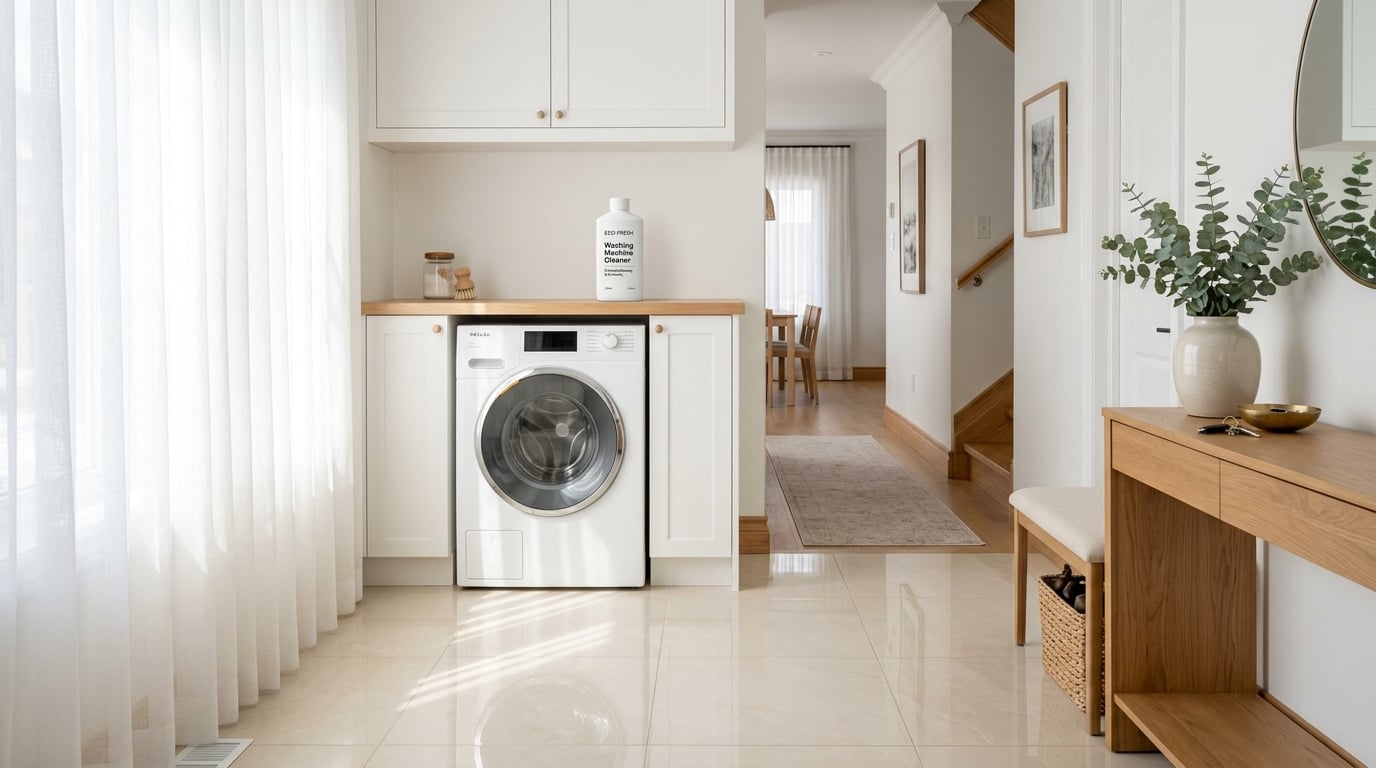
You load up your washing machine with a mountain of family laundry, expecting to pull out fresh, sweet-smelling clothes a little later. But instead, you are greeted by a musty, swampy odor that clings to your favorite fabrics. It is a frustrating and incredibly common problem: the very appliance designed to clean your belongings has quietly become a harbor for hidden grime.
For busy Canadian families, discovering that a washer is secretly breeding mildew is deeply unsettling. You start to second-guess whether your clothes are actually getting washed or if they are just swirling in contaminated water. If left unchecked, that hidden sludge does not just ruin the smell of your linens—it can cause skin irritation, trigger household allergies, and significantly shorten the lifespan of an expensive appliance. Juggling work, family time, and the endless rotation of household chores is already stressful enough without having to re-wash loads of laundry that came out smelling worse than when they went in.
Fortunately, the solution is simpler than you might think. By utilizing an effective clean washing machine cleaner strategy and implementing a few quick daily habits, you can restore your washer to pristine, odor-free condition. In this comprehensive guide, we will walk you through exactly how to tackle buildup in both front-load and top-load machines. And if managing the relentless cycle of household maintenance feels like too much, partnering with a trusted local cleaning service like Home Spritz can take the heavy burden off your shoulders, leaving you with a beautifully clean home and well-deserved peace of mind.
Why Washing Machines Develop Musty Odors
Washing machines are practically engineered to be the perfect environment for mold and mildew. They are inherently dark, constantly exposed to moisture, and frequently subjected to warm temperatures. When you combine these factors with leftover laundry detergent, sticky fabric softener residue, and organic debris like pet hair, dirt, and dead skin cells, you create an ideal buffet for odor-causing bacteria to thrive.
The type of water in your home also plays a major role in how quickly this grime builds up. For instance, many regions across the country deal with exceptionally hard water. The City of Calgary notes that hard water—which contains high levels of dissolved calcium and magnesium from local river systems—can lead to severe mineral scaling on plumbing fixtures and home appliances. Inside your washing machine, these hard water deposits act like microscopic sandpaper, trapping sticky soap scum and creating stubborn layers of biofilm where mold readily colonizes.
Ignoring this fungal buildup is more than just a nuisance for your nose; it is an indoor air quality issue. According to authoritative Canadian health resources, indoor mold should never be taken lightly. Health Canada explicitly warns that indoor mold growth can pose a health hazard, particularly exacerbating symptoms for those with asthma, allergies, infants, and seniors with compromised respiratory systems. Ensuring your household appliances are free of fungal growth is a crucial part of maintaining a healthy home environment.
Top-load and front-load machines accumulate this buildup differently. Traditional top-loaders tend to collect grime hidden beneath the center agitator or along the upper rim of the drum, where dirty water splashes but rarely rinses completely clean. Front-loaders, on the other hand, are infamous for trapping stagnant water inside the thick rubber door seal. Taking the time to understand your specific machine is the first step. Just as you want to be mindful of using the house cleaner products that are best for your family, you also need to employ the safest, most effective approach to descale and sanitize your washer.
Cleaning Front-Load Rubber Gaskets Safely
If you own a high-efficiency front-load washer, the thick rubber gasket (or seal) around the door is the undisputed king of harboring bad smells. Because the door must seal incredibly tight to prevent water from leaking onto your floor during tumbling, that exact same seal traps residual moisture inside once the cycle finishes.
To clean this sensitive area safely and thoroughly, you will need a non-abrasive approach that kills the mold without degrading or cracking the delicate rubber. Here is the highly effective method recommended by home care professionals:
- Inspect and Empty: Gently peel back the flexible folds of the rubber seal. You will likely find stray socks, loose coins, pet hair, and a slimy layer of grayish-black gunk. Remove any physical debris with your hands or a paper towel first.
- Apply a Vinegar Solution: Mix equal parts distilled white vinegar and warm water in a spray bottle. Vinegar is a fantastic, natural, mild acid that safely neutralizes most mold species and easily dissolves hard water mineral scaling. Spray the solution generously inside and outside the folds of the gasket.
- Scrub Gently: Using a soft-bristled toothbrush or a dedicated microfiber cloth, gently scrub away the biofilm. Never use harsh abrasive scouring pads, as scratching the rubber can create microscopic crevices where future bacteria will hide and multiply.
- Wipe Dry: Once the grime is lifted and the area is clean, take a fresh, dry microfiber cloth and wipe the gasket completely dry to remove any remaining moisture.
High-Heat Cycles and Commercial Washer Cleaners
Wiping down the visible parts of the machine is only half the battle. To truly eliminate musty odors at their source, you need a high-quality clean washing machine cleaner strategy to flush out the internal hoses, the hidden water pump, and the exterior of the outer drum where your hands simply cannot reach.
You can purchase a commercial washing machine cleaner tablet from your local grocery store, or you can opt for a reliable DIY deep clean. If you prefer the DIY route, sprinkle half a cup of baking soda directly into the empty washer drum, and pour one cup of distilled white vinegar into the detergent dispenser drawer. Crucial professional tip: Never mix bleach and vinegar together, as they will create highly toxic fumes.
Run the washing machine empty on its longest, hottest cycle—often labeled as the “Tub Clean,” “Sanitize,” or “Allergen” setting. The powerful combination of boiling hot water and your chosen cleaning agent will break down the hardened detergent residues and flush away the trapped mold spores. For Canadian homes dealing with particularly hard water, you may need to run this hot cycle twice in a row to fully dissolve stubborn mineral deposits. Performing this deep clean once a month keeps the internal mechanics running smoothly and ensures your laundry comes out smelling incredibly fresh.
Daily Habits to Prevent Mold
Deep cleaning your machine once a month is an excellent practice, but adjusting a few simple daily habits will stop the mold from coming back in the first place. The Canada Mortgage and Housing Corporation (CMHC) emphasizes that controlling indoor moisture is the single most effective way to prevent mould in housing. This foundational rule of home maintenance applies directly to your laundry routine.
Implement these easy, moisture-reducing practices into your family’s weekly routine:
- Leave the Door Ajar: This is the absolute golden rule of washing machine maintenance. After every single load, leave the washer door (and the slide-out detergent dispenser drawer) open. This allows fresh air to circulate through the machine and naturally evaporate the remaining moisture.
- Promptly Remove Wet Clothes: Do not let damp clothes sit in the washer overnight or while you are at work. The longer wet fabric sits in a dark, enclosed space, the faster mildew begins to colonize and transfer odors to the fabric.
- Rethink Your Detergent Usage: Modern high-efficiency (HE) machines require surprisingly little detergent. Using too much soap does not make your clothes cleaner; it simply leaves behind a sticky suds residue that the machine fails to rinse away. Always use HE-formulated detergent and measure carefully according to the specific load size.
- Wipe Down the Glass and Seal: Keep a dry, clean towel near the laundry station. Giving the door glass and the inside of the rubber gasket a quick five-second wipe down after your final load of the day works wonders for the longevity and cleanliness of the appliance.
Maintaining your household appliances is essential, but we know it adds just another demanding task to your endless to-do list. If you find yourself overwhelmed and wondering exactly what house cleaners clean, you might be surprised by how much time and energy a professional service can save you. While you handle the specialized appliance maintenance, the rigorously vetted, independent cleaners at Home Spritz can manage the heavy lifting—from scrubbing your master bathrooms to deep-cleaning your kitchen floors—ensuring your entire home feels just as fresh as your newly washed laundry.
FAQ
How often should I use a washing machine cleaner?
For most standard households doing an average amount of laundry (three to five loads a week), you should run a dedicated cleaning cycle with a clean washing machine cleaner tablet or a vinegar solution once a month. However, if you have a large family, wash heavily soiled athletic or work clothes frequently, or live in a Canadian municipality with very hard water, you will benefit from running a maintenance cycle every two to three weeks. Regular maintenance prevents catastrophic mold buildup and keeps your machine operating at peak efficiency.
Can I use bleach to clean my washer?
Yes, liquid chlorine bleach is highly effective at killing bacteria and mold spores hidden inside a washing machine. If you choose to use bleach instead of vinegar, pour half a cup directly into the bleach dispenser and run a hot water cycle with the machine completely empty. Safety Warning: Never mix bleach with vinegar, ammonia, or any other household cleaning chemicals, as this chemical combination creates dangerous, toxic gases. Always ensure your laundry room is well-ventilated by turning on an exhaust fan or opening a window when using bleach products.
When should I hire a professional for my home cleaning needs?
If you find that you are consistently sacrificing your weekends and evenings to catch up on scrubbing, dusting, and vacuuming, it is definitely time to consider professional help. A clean home should never come at the cost of your free time, your hobbies, or precious family moments. Home Spritz proudly connects you with top-tier, background-checked local cleaning professionals across Canada who deliver exceptional, customized results tailored to your specific lifestyle. If you are finally ready to reclaim your schedule, take a look at these helpful steps on how to plan to hire a cleaner. We are dedicated to making the entire process seamless, transparent, and completely stress-free, so you can enjoy a beautifully maintained home without the hassle.